The Return of Decorative Living: Why Ornament Is Back
Aug 01, 2026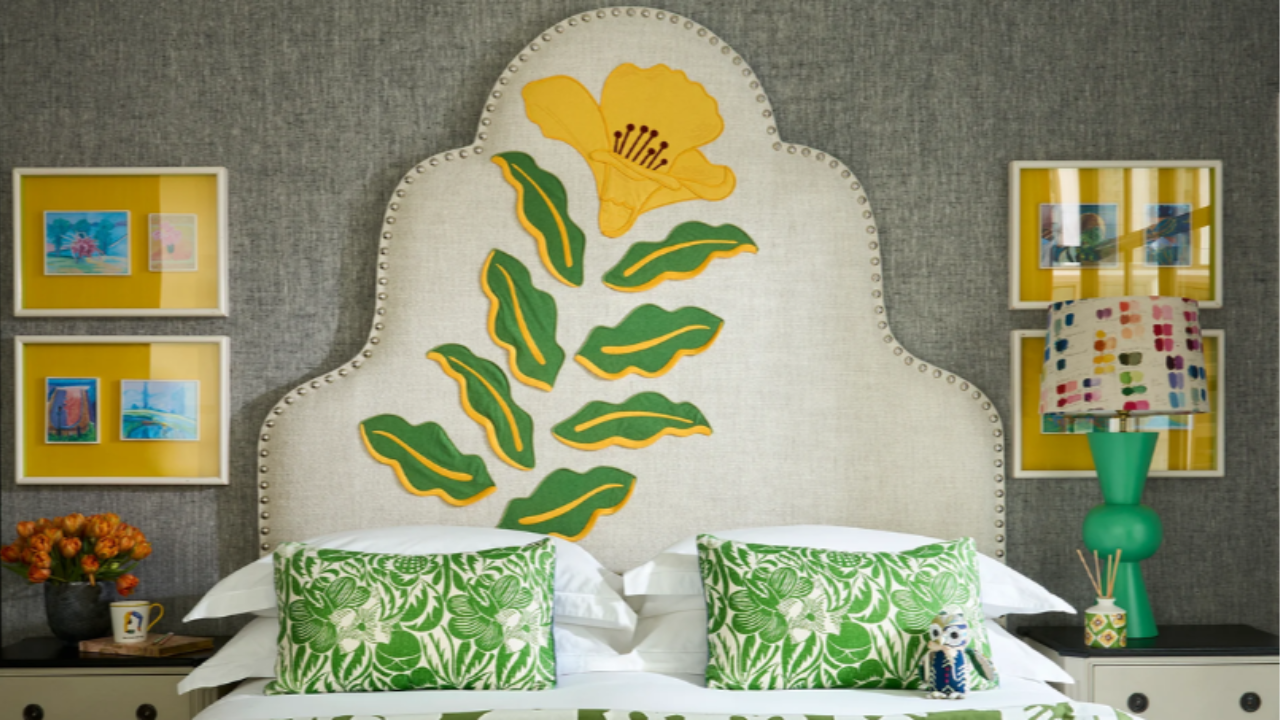
For years, luxury interiors moved toward restraint. Clean lines. Minimal palettes. Spaces edited so tightly they almost disappeared into themselves. Simplicity became synonymous with sophistication, and ornament was often dismissed as excessive or unnecessary. Homes became quieter, flatter, more restrained in their expression.
But something is shifting.
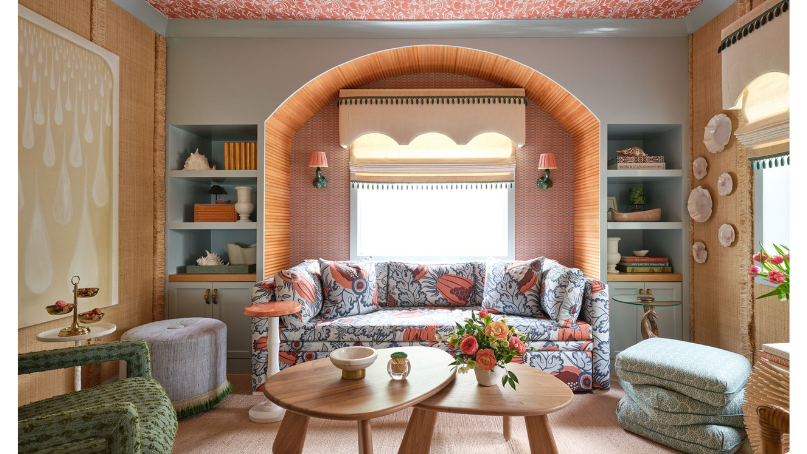
Across the luxury design world, we are seeing a return to decorative living — not in a heavy or overly traditional way, but in a deeply artistic one. Ornament is no longer viewed as clutter. It is being reintroduced as craftsmanship, personality, texture, and emotional richness. Fringe is returning. Passementerie is appearing on tailored upholstery and drapery. Decorative ceilings are once again commanding attention. Walls are becoming layered and expressive. Embroidered textiles, sculptural trims, hand-painted finishes, and intricate detailing are transforming homes from minimal backdrops into immersive environments with soul.
This return feels particularly timely in 2026. After years of visual restraint, our clients are craving homes that feel collected rather than stripped down. They want spaces with narrative, texture, and individuality. They want homes that feel designed, not simply furnished.
And perhaps most importantly, they want beauty that feels personal again.
Ornament Feels Relevant Again
The resurgence of ornamentation is not about returning to excess. It is about returning to artistry.
Minimalism served an important purpose for many years. It brought calm, simplicity, and visual breathing room into homes that had become overly decorated. But over time, many interiors began to feel emotionally flat. Spaces photographed beautifully, yet lacked warmth and dimensionality in real life.
Luxury clients today are asking for something different. They are asking for texture that invites touch. Layers that reveal themselves slowly. Details that feel intentional and bespoke rather than mass-produced.
Ornament answers that desire beautifully.
A sculptural trim running along the edge of a chair instantly changes how the piece feels in a room. A patterned wallpaper introduces movement and depth that paint never could. Decorative ceilings draw the eye upward and transform architecture into experience rather than structure alone.
These details create emotional richness. They slow people down. They invite observation.
This is why decorative living feels less like trend and more like evolution.
The Shift Away From Flat Simplicity
For many years, interiors leaned heavily into uniformity. Pale neutrals. Minimal detailing. Smooth surfaces. Rooms designed primarily to feel clean and unobtrusive.
But true luxury has never been about sterility.
The homes that linger emotionally are layered. They contain contrast, craftsmanship, and moments of surprise. They reveal personality through subtle details rather than obvious statements.
Today’s luxury interiors are embracing:
- Passementerie and decorative trim on upholstery and drapery
• Sculptural lighting and carved architectural details
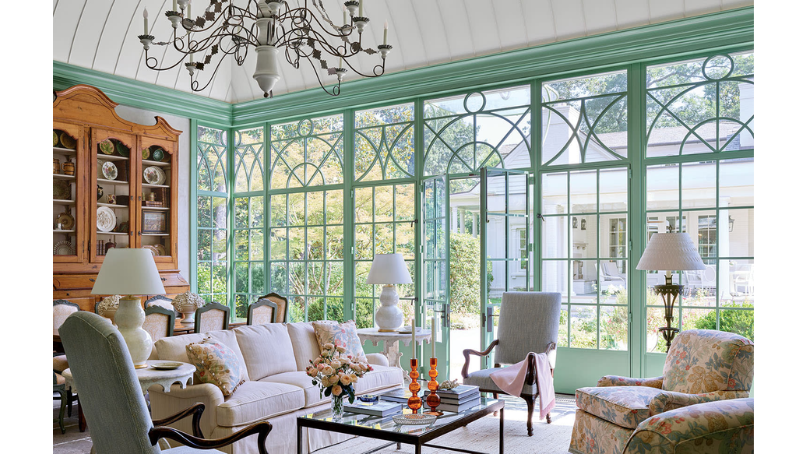
• Statement ceilings with plaster, wallpaper, or wood detailing
• Embroidered and textured textiles
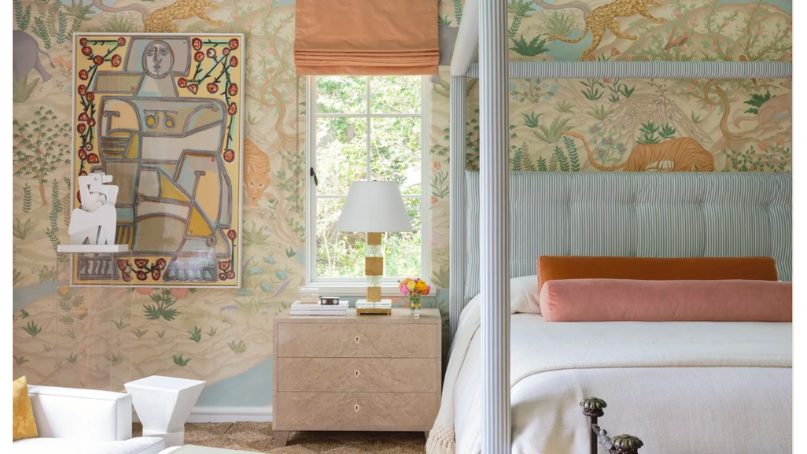
• Hand-painted finishes and mural-inspired walls
• Richly layered materials that create depth and movement
The result is a home that feels alive rather than edited into silence.
Decorative Living as Emotional Design
One of the reasons ornament is returning so powerfully is because people are craving emotional connection within their homes again.
Flat simplicity can create calm, but it can also create distance. Ornament, when executed thoughtfully, creates intimacy. It allows rooms to feel expressive and deeply human.
An scalloped trim on a reading chair changes how the space feels at dusk. A decorative ceiling treatment transforms a dining room into an experience rather than simply a functional area. Embroidered textiles layered into a bedroom create softness and visual warmth that plain linens cannot replicate.
These details affect not only aesthetics, but atmosphere.
Luxury today is becoming increasingly sensory. Clients are asking not just how a room looks, but how it feels to inhabit. Ornament supports that shift beautifully because it engages the eye slowly and creates dimensionality throughout the day.
From Naples to the North: Decorative Living Across Seasonal Homes
One of the most interesting aspects of this return to ornament is how differently it can be interpreted across climates and homes.
For clients preparing to return to Naples for the season, decorative living often feels lighter and more coastal in expression. Passementerie may appear in tailored linen drapery. Decorative trims might edge soft upholstered pieces in sandy neutrals, warm coral tones, or a vibrant fresh palette. Hand-painted finishes can bring movement to walls and ceilings layered with atmospheric lighting in a way that feels organic rather than formal.
In northern homes, ornament often becomes richer and more layered. Decorative ceilings, moody textures, sculptural wallpapers, and embroidered textiles create warmth during longer indoor seasons. Materials become deeper. Ambient lighting makes rooms feel cocooned and intimate.
The common thread is not style, but intentionality.
Decorative living allows each home to feel emotionally connected to its environment while still reflecting the client’s overall identity.
Why These Details Require Restraint and Expertise
The return of ornament does not mean filling every surface or layering detail indiscriminately. In fact, this style movement requires more discipline than minimalism.
The difference between refined ornamentation and visual excess comes down to cohesion.
Every trim, texture, and decorative gesture must feel connected to the architecture and overall narrative of the home. Scale matters. Proportion matters. Material balance matters.
This is where many homeowners struggle when trying to incorporate these trends on their own. Individual elements may be beautiful, but without a larger framework, the result can quickly feel disconnected or overwhelming.
An experienced interior designer understands how to layer ornament strategically. Where to create tension. Where to allow restraint. How to balance richly detailed moments with quieter architectural breathing space.
The goal is not decoration for decoration’s sake.
It is atmosphere.
The Return of Craftsmanship
At the heart of decorative living is a renewed appreciation for craftsmanship.
Luxury clients are increasingly drawn toward interiors that feel handmade, tailored, and unique to them. Machine-perfect spaces are giving way to homes that contain visible artistry and subtle irregularity.
We are seeing growing interest in:
- Hand-applied plaster finishes
• Artisan wall treatments
• Tailored upholstery with decorative edging
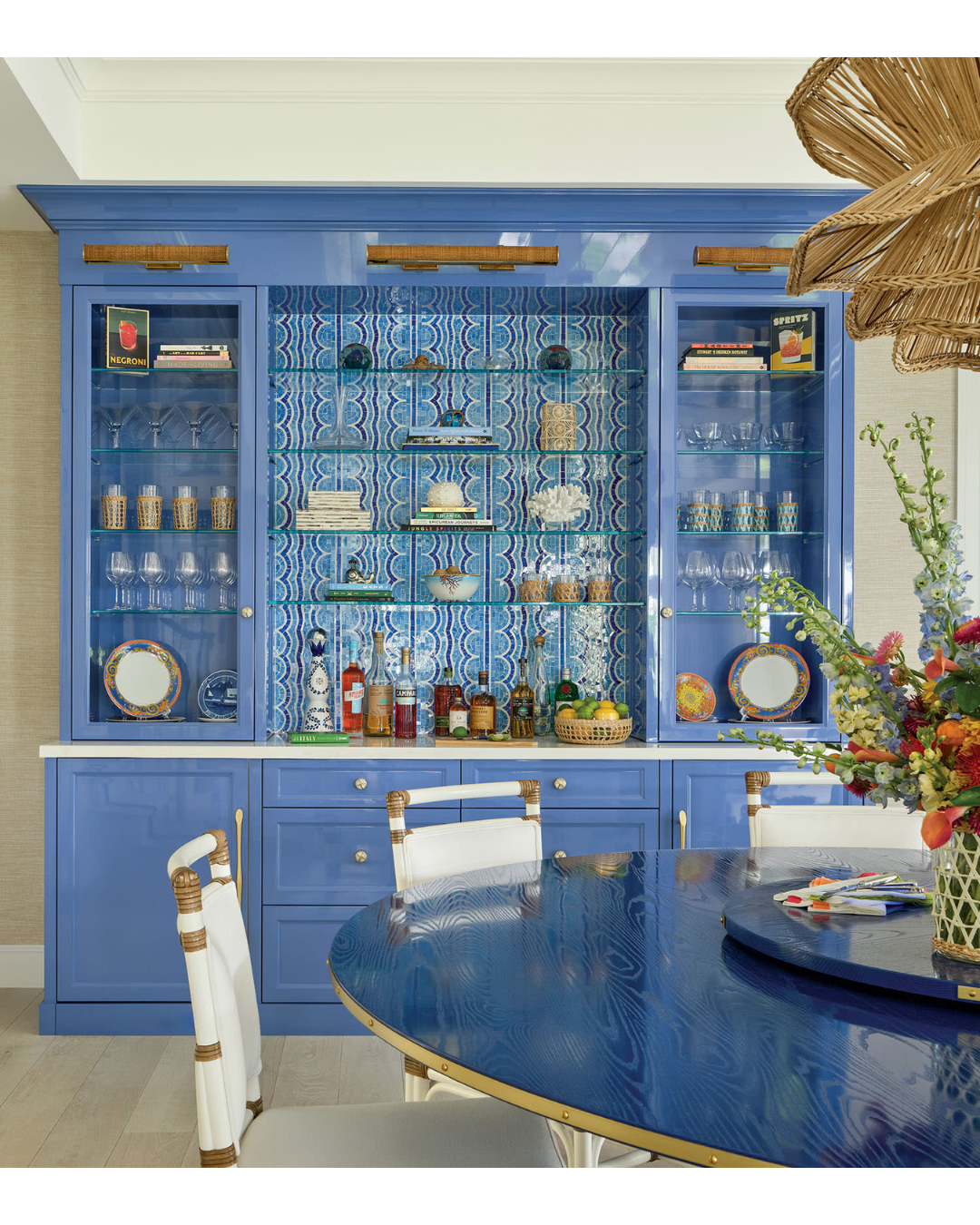
• Bespoke cabinetry detailing
• Sculptural stonework
• Hand-finished hardware and fixtures
These details create homes with depth and permanence. They feel collected rather than assembled.
And importantly, they age beautifully.
How Jett & Company Approaches Decorative Living
At Jett & Company, we approach ornamentation as part of a larger emotional and architectural story. Decorative elements should never feel added on. They should feel integrated into the rhythm of the home itself.
For some clients, this may mean introducing subtle embroidered textures and layered trims into an otherwise restrained palette. For others, it may involve reimagining ceilings, wall treatments, or custom millwork to create greater architectural richness.
The process always begins with understanding how the client wants the home to feel.
Do they want softness and warmth?
Drama and intimacy?
Lightness with detail?
Artistic expression without visual heaviness?
From there, every decorative element is curated intentionally so the final result feels layered, sophisticated, and cohesive rather than trend-driven.
Luxury ornamentation is not about adding more.
It is about adding meaning.
A Return to Beauty That Feels Personal
Perhaps the most compelling aspect of this movement is that it signals a return to individuality. Homes are becoming expressive again. More layered. More nuanced. More emotionally resonant.
After years of restrained simplicity, clients are rediscovering the pleasure of rooms that feel tailored specifically to them. Decorative living allows homes to hold memory, artistry, and atmosphere in ways that purely minimal spaces often cannot.
This return to ornament feels less like nostalgia and more like permission.
Permission to create spaces that feel warm. Collected. Personal. Designed with feeling rather than simply edited for restraint.
Because true luxury has never been about absence.
It has always been about intentional beauty.
If you are preparing to refresh your northern home or transition into your Naples residence for the season, this is the perfect time to rethink how your environment expresses artistry, texture, and your personality. I would love to guide you!
Book a personal consultation with Jett & Company and let’s bring decorative living back beautifully into your home.
5 Stress Free Steps to Bring Your Dream Home to Life
Inside this free guide, you will receive:
- Everything you need to get it right the first time, with confidence
- Start today! Practical steps to make your dream home a reality
We hate SPAM. We will never sell your information, for any reason.
Author