250 Years of Beauty at Home: What Makes American Design Uniquely Ours
Jul 01, 2026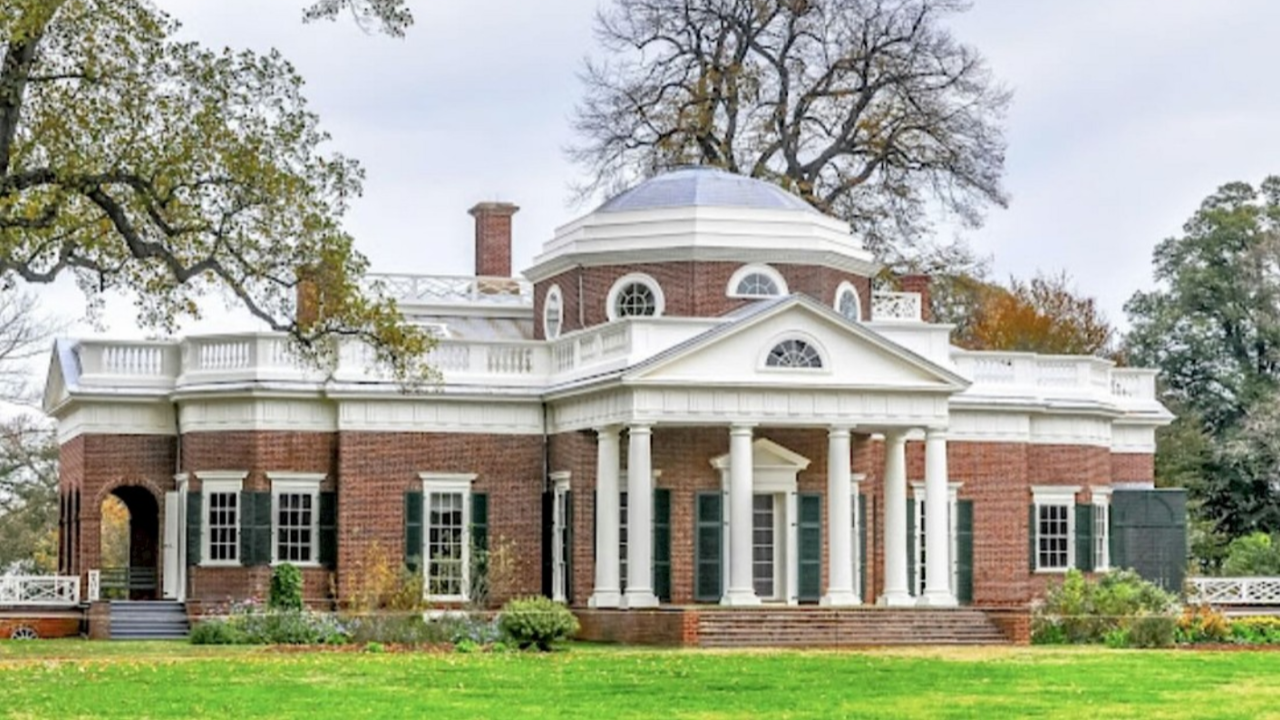
Photo via Tours of Distinction
As America approaches its 250th anniversary, there will be no shortage of stories told about the nation we have become. We will celebrate innovation and industry, revisit defining moments in history, and reflect on the leaders, visionaries, inventors, and artists who helped shape the American experience. Yet some of the most meaningful stories are often the quietest ones, unfolding not in government buildings or boardrooms, but around kitchen tables, on front porches, and within the walls of the homes where everyday life takes place.
The Story of America Told Through Home
For 250 years, the American home has served as far more than shelter. It has reflected our aspirations, our ingenuity, our values, and our evolving understanding of what it means to live well. The places we call home have adapted alongside the nation itself, responding to new technologies, changing family structures, cultural influences, and shifting ideas about beauty, comfort, and success. In many ways, the story of American design is inseparable from the story of America itself.
When we think about American design, it is tempting to focus on architecture or aesthetics alone. We picture grand Colonial estates, Gilded Age mansions, Mid-Century masterpieces, or contemporary waterfront retreats. Yet what makes American design truly distinctive is not any particular architectural style. Rather, it is a way of thinking about how beauty can improve everyday life.
Unlike many design traditions rooted in strict historical continuity, American design has always been remarkably willing to evolve. We borrow ideas from around the world, reinterpret them through our own experiences, and adapt them to meet changing needs. The result is not a singular aesthetic language but an enduring philosophy—one that continually asks how beauty, innovation, and function can work together to support the people who live within a space.
That question feels particularly relevant today. Luxury homeowners are increasingly seeking environments that do more than impress visitors or photograph beautifully. They want homes that restore, inspire, support wellness, foster connection, and reflect their unique identities. In many ways, that pursuit traces directly back to the foundations of American design itself.
The Evolution of the American Home
The story of American design is, at its heart, a story of reinvention. Unlike Europe, where architectural traditions often evolved gradually over centuries within relatively stable cultural frameworks, America developed through movement, expansion, experimentation, and adaptation. The homes we built reflected not only where we lived, but how we envisioned our future.
Early Colonial homes were shaped by necessity. Settlers brought familiar building traditions from Europe but quickly adapted them to unfamiliar climates, landscapes, and available materials. Function guided many design decisions, yet even within those practical constraints there was an unmistakable desire to create beauty, order, and permanence. The seeds of American design were already taking root.
As the nation grew, so did the complexity of its homes. Georgian symmetry gave way to Federal elegance. Greek Revival architecture reflected democratic ideals inspired by classical antiquity. Victorian homes embraced ornament, craftsmanship, and technological advancement, while the Arts and Crafts movement later responded with a renewed appreciation for authenticity and handmade beauty. Each era left its mark, contributing new ideas while building upon what came before.
Perhaps the most fascinating aspect of American design is that no single movement ever fully defined it. Instead, American homes have continually absorbed influences and adapted them to evolving lifestyles. This willingness to embrace change remains one of the defining characteristics of American luxury design today. From open-concept floor plans to indoor-outdoor living, from wellness-centered spaces to smart-home integration, the American home continues to evolve because the people living within it continue to evolve as well.
The Visionaries Who Shaped American Design
While America has never been defined by a single design style, there are certain individuals whose ideas permanently changed the way we think about home. Their work continues to influence everything from luxury new builds and historic renovations to contemporary coastal retreats and wellness-centered interiors.
What makes these figures particularly fascinating is that each represented a different aspect of the American design spirit. Thomas Jefferson championed beauty married to innovation. Frank Lloyd Wright taught us how architecture could exist in harmony with nature. Dorothy Draper reminded us that homes should delight, uplift, and express personality.
Together, their influence can still be felt in many of today's most successful luxury homes.
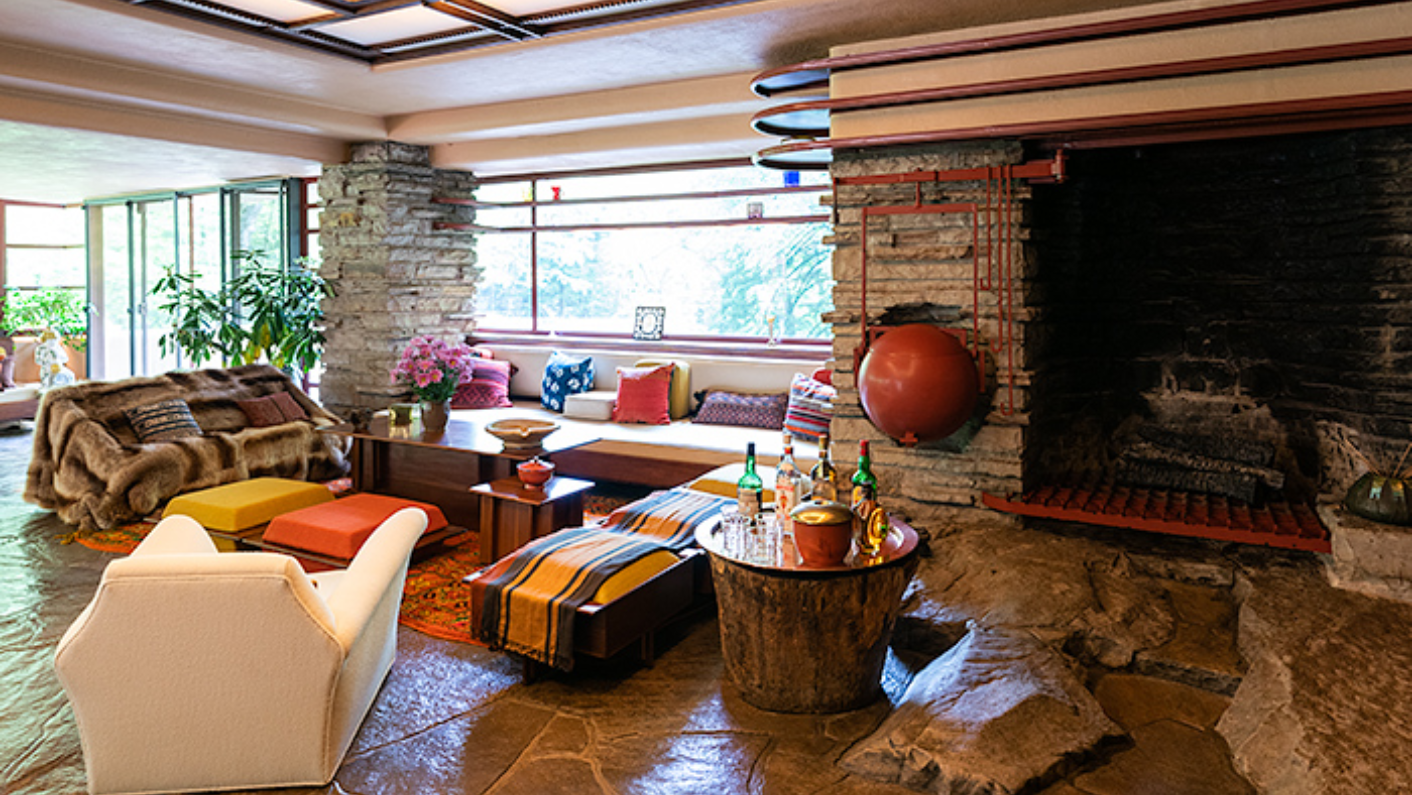
Photo via Unique Travel Photo
Thomas Jefferson: Beauty and Innovation
Long before architecture became an established profession in America, Thomas Jefferson was studying buildings with the curiosity of both an artist and an inventor. During his travels through Europe, he became fascinated by the great villas, civic buildings, gardens, and estates that had shaped centuries of architectural thought. Yet what intrigued him most was not simply their beauty. It was the relationship between beauty and daily life.
Jefferson returned home carrying sketchbooks, ideas, and ambitions that would help shape the visual language of a young nation. His beloved Monticello became a testing ground for those ideas. Inspired by classical European architecture yet deeply rooted in American ingenuity, the home reflected a philosophy that feels remarkably contemporary even today.

Photo via Smithsonian Magazine
Visitors often focus on Monticello's symmetry, proportions, and elegance, but what is equally impressive are the innovations woven throughout the house. Jefferson experimented with skylights to bring natural illumination deeper into interiors. He incorporated hidden storage, mechanical conveniences, and efficient circulation patterns. The home became both a work of art and a laboratory for better living.
That combination of beauty and function remains one of the defining characteristics of American luxury design. Today's homeowners continue to seek spaces that are visually compelling while also supporting the realities of everyday life. A beautifully designed kitchen is expected to perform as effortlessly as it looks. A primary suite should feel restorative while also accommodating practical needs. Smart home technology is integrated not for novelty, but for convenience.
In many ways, Jefferson established a design philosophy that continues to guide exceptional homes today. Beauty was never intended to exist separately from function. The most successful spaces accomplish both.
His influence can be seen in countless American homes where symmetry creates calm, natural light is celebrated, and architecture serves both emotional and practical needs. More than two centuries later, his vision remains surprisingly relevant.
Frank Lloyd Wright: Nature and the American Landscape
If Jefferson taught America about beauty and innovation, Frank Lloyd Wright taught us something equally transformative: how to live in harmony with nature.
Wright fundamentally changed the way Americans thought about architecture. Prior to his influence, homes often stood apart from their surroundings, imposing themselves upon the landscape rather than engaging with it. Wright imagined something different. He believed architecture should emerge from its environment, creating a seamless dialogue between the built world and the natural one.
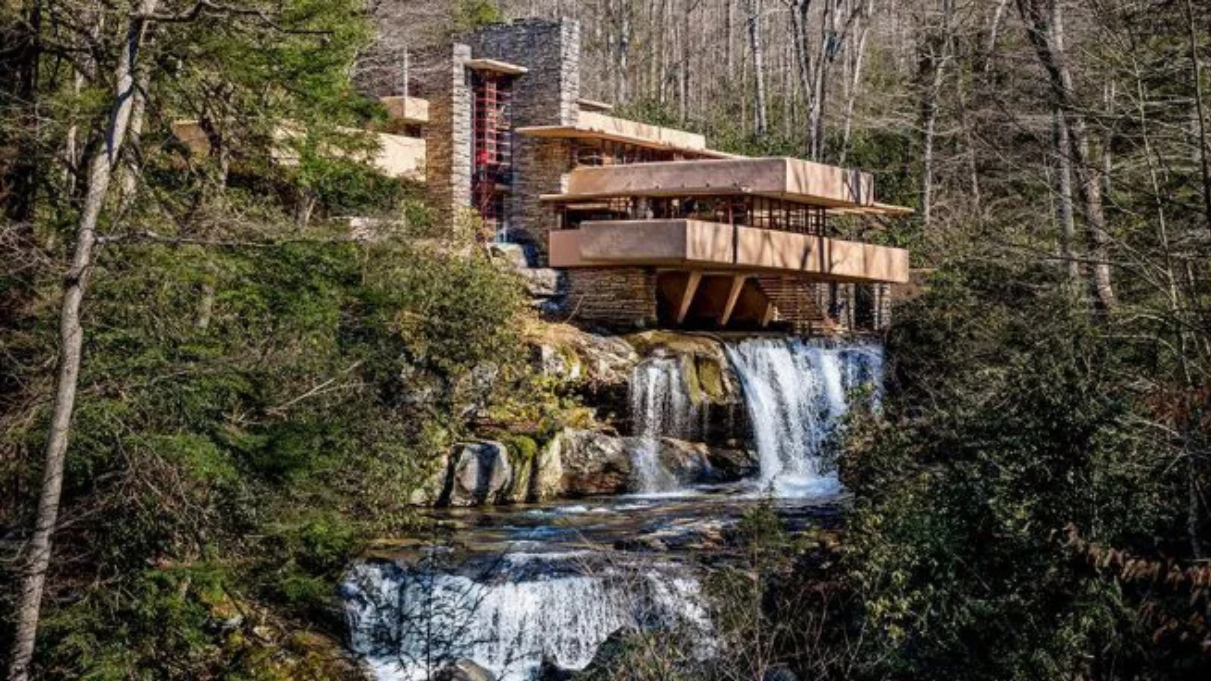
Photo via InsideWright
Nowhere is this philosophy more evident than in Fallingwater, arguably the most celebrated residential design in American history. Perched above a waterfall in rural Pennsylvania, the home appears less like a structure placed upon the site and more like an extension of the landscape itself. Stone, water, light, and architecture become inseparable.
What made Wright revolutionary was not simply his aesthetic vision. It was his understanding that architecture could shape human experience. Natural light, material choices, views, and spatial flow all influence how people feel within a home. He recognized that design affects emotion, well-being, and connection.
Many of the features that luxury homeowners now consider essential can be traced directly to Wright's influence. Expansive windows that frame nature. Open floor plans that encourage connection. Organic materials that bring warmth and authenticity. Indoor-outdoor living spaces that blur traditional boundaries.
For homeowners in Naples and other coastal communities, these principles feel particularly relevant. Some of the most desirable homes today are designed around water views, garden courtyards, outdoor entertaining spaces, and seamless transitions between indoors and outdoors. The architecture invites nature inside rather than shutting it out.
This connection to the landscape has become increasingly important as wellness emerges as a central priority in luxury design. Research continues to affirm what Wright intuitively understood nearly a century ago: people thrive when they maintain meaningful relationships with the natural world.
Whether through a garden visible from every room, a lanai that extends daily living outdoors, or a wall of glass framing a sunset over the Gulf, Wright's legacy continues to shape the way we experience home.
Dorothy Draper: Personality, Joy, and Hospitality
If Jefferson represented innovation and Wright embodied harmony with nature, Dorothy Draper brought something equally important to American design: personality.
At a time when many interiors felt formal, restrained, and predictable, Draper introduced color, optimism, confidence, and a sense of theatrical delight. She believed homes should do more than function well. They should create emotional experiences.
Draper's work transformed interior design from a largely decorative practice into something far more influential. Through projects like The Greenbrier, she demonstrated how interiors could shape mood, create memories, and leave lasting impressions. Bold colors, oversized patterns, dramatic scale, and unexpected combinations became signatures of her work.
What makes Draper's legacy particularly relevant today is her belief that design should reflect individuality. Long before social media trends and algorithm-driven aesthetics, she encouraged people to embrace personality rather than conformity.
That message feels especially important in today's luxury market.
After years of highly curated, Pinterest-inspired interiors, many homeowners are craving spaces that feel more personal and less predictable. They want homes that reflect their stories, collections, travels, and interests. They want rooms that feel unique rather than interchangeable.
Draper understood something that remains true today: people remember how a space makes them feel. A beautifully designed room should spark delight, inspire conversation, and create a sense of welcome. It should reveal something about the people who live there.
This philosophy aligns closely with the idea of Beauty at Home. True beauty is not about perfection. It is about creating environments that support and celebrate the people who inhabit them.
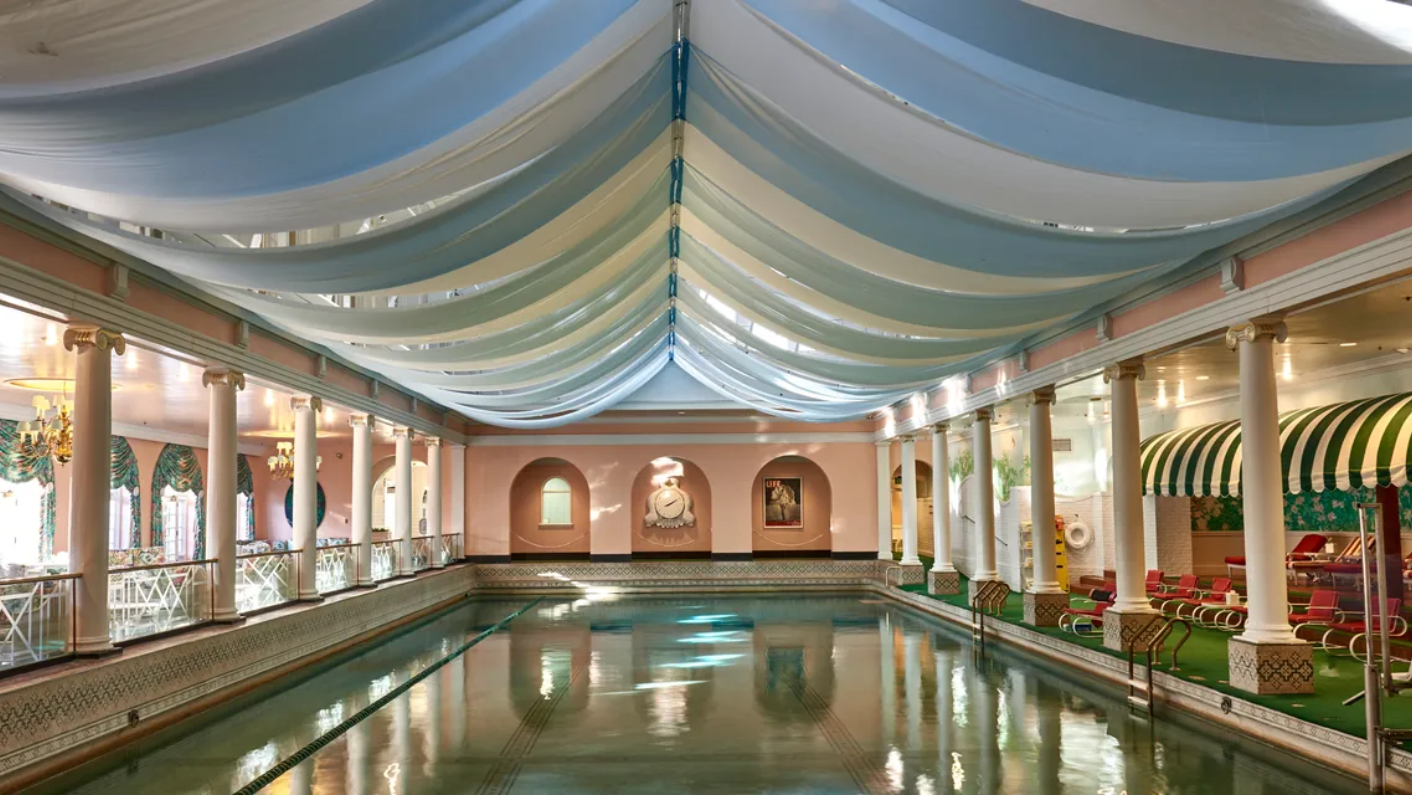
Photo via Architectural Digest
In many ways, Dorothy Draper's greatest contribution was reminding us that homes should have soul.
A Shared Legacy
Although Jefferson, Wright, and Draper worked in different eras and embraced different aesthetics, they shared a common belief. Each understood that design is ultimately about people.
Jefferson sought to improve daily life through thoughtful innovation. Wright sought to reconnect people with nature. Draper sought to create joy, personality, and emotional connection.
Together, they helped shape a distinctly American approach to design—one that values beauty, functionality, individuality, and human experience in equal measure.
As we celebrate America's 250th anniversary, their influence remains visible in the homes being created today. Whether through architecture that embraces natural light, interiors that reflect personal identity, or innovations that improve everyday living, their ideas continue to guide the evolution of Beauty at Home.
And perhaps that is their greatest legacy: reminding us that exceptional design is never simply about buildings or furnishings. It is about enriching the lives of the people who call those spaces home.
Historic American Interiors That Changed Design
If architecture tells us how a nation builds, interiors tell us how a nation lives.
One of the most fascinating ways to understand the evolution of American design is through the interiors that captured the imagination of their era. These were not simply beautiful rooms. They were laboratories of living, places where new ideas about comfort, hospitality, craftsmanship, wellness, and lifestyle were tested long before they became mainstream.
The most influential American interiors did more than establish trends. They changed expectations.
They redefined how rooms could function, how families could gather, how beauty could be experienced, and how homes could support the people living within them. Their influence continues to ripple through contemporary luxury design, often in ways homeowners may not even realize.
As we celebrate America's 250th anniversary, these historic spaces offer a remarkable lens through which to view the ongoing evolution of Beauty at Home.
Monticello: The Beginning of American Innovation at Home
Few homes have had a greater influence on American residential design than Monticello.
While Thomas Jefferson is often celebrated for its architecture, the interiors themselves reveal a deeper story. Every room reflects a curiosity about how people live and how design can improve that experience.
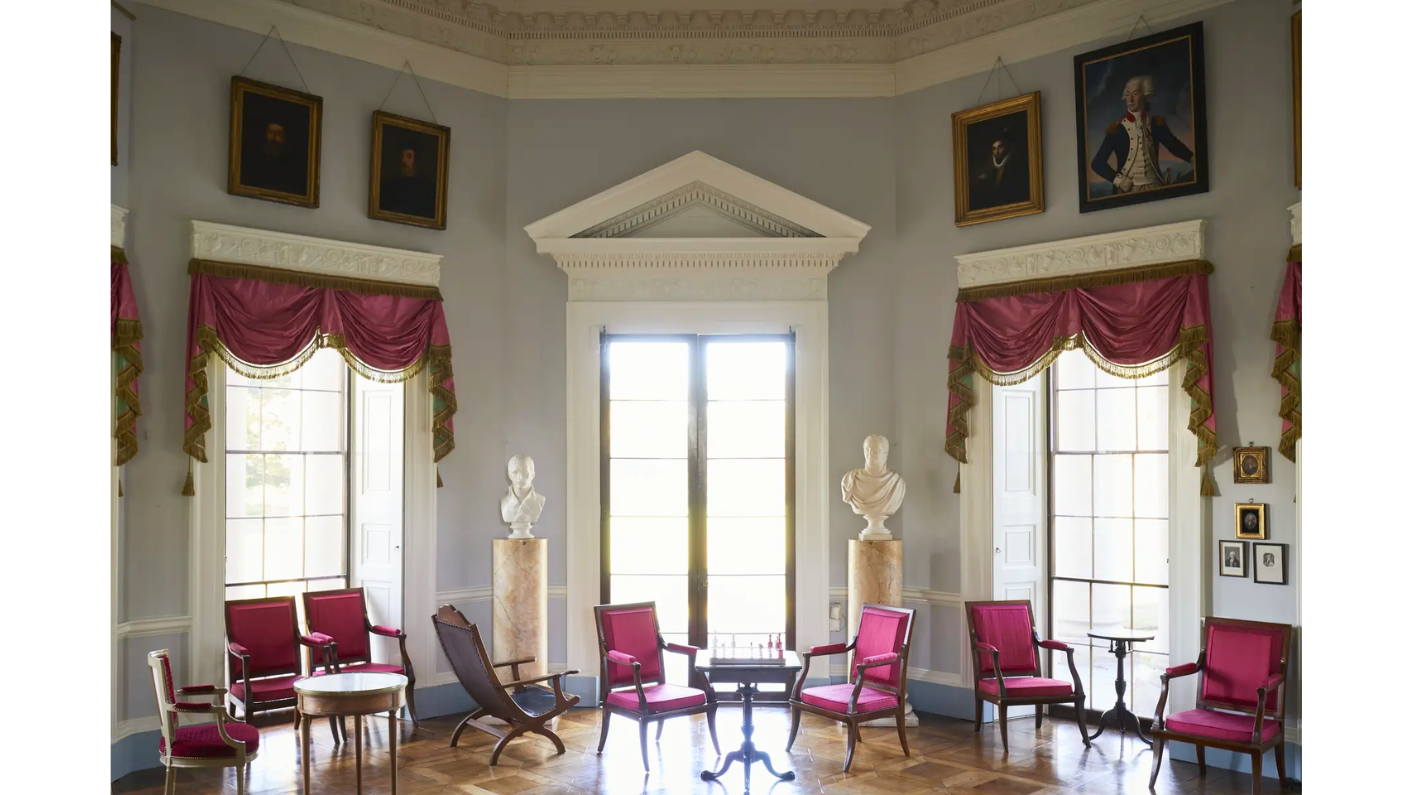
Photo via Architectural Digest
Jefferson was fascinated by efficiency long before the concept became fashionable. He studied circulation, storage, lighting, and functionality with the same enthusiasm he applied to aesthetics. Many of his solutions feel remarkably contemporary today. Hidden compartments, integrated storage, daylight optimization, and multi-functional spaces were all thoughtfully incorporated into the home.
What makes Monticello particularly important is that it introduced a distinctly American approach to luxury. The house was elegant, but it was also practical. Beauty and function existed together rather than competing for priority.
This philosophy remains at the heart of exceptional design today.
Luxury homeowners increasingly seek environments that are both visually compelling and deeply livable. They want homes that support their routines, anticipate their needs, and simplify daily life without sacrificing beauty.
In many ways, Monticello established the foundation for this uniquely American perspective.
The Biltmore Estate: Scale, Craftsmanship, and the Art of Hospitality
If Monticello taught America about innovation, The Biltmore Estate taught America about experience.
Completed in 1895, the Biltmore remains one of the largest privately owned homes in the country. Yet what continues to captivate visitors is not merely its scale. It is the extraordinary attention paid to the experience of living within it.
Every room was designed with intention. Libraries encouraged intellectual engagement. Conservatories celebrated nature. Guest suites elevated hospitality into an art form. Gathering spaces balanced grandeur with comfort.
The Biltmore helped establish an important principle that still influences luxury design today: a home should support multiple layers of life.
A successful residence is not simply a collection of beautiful rooms. It is an ecosystem of experiences.
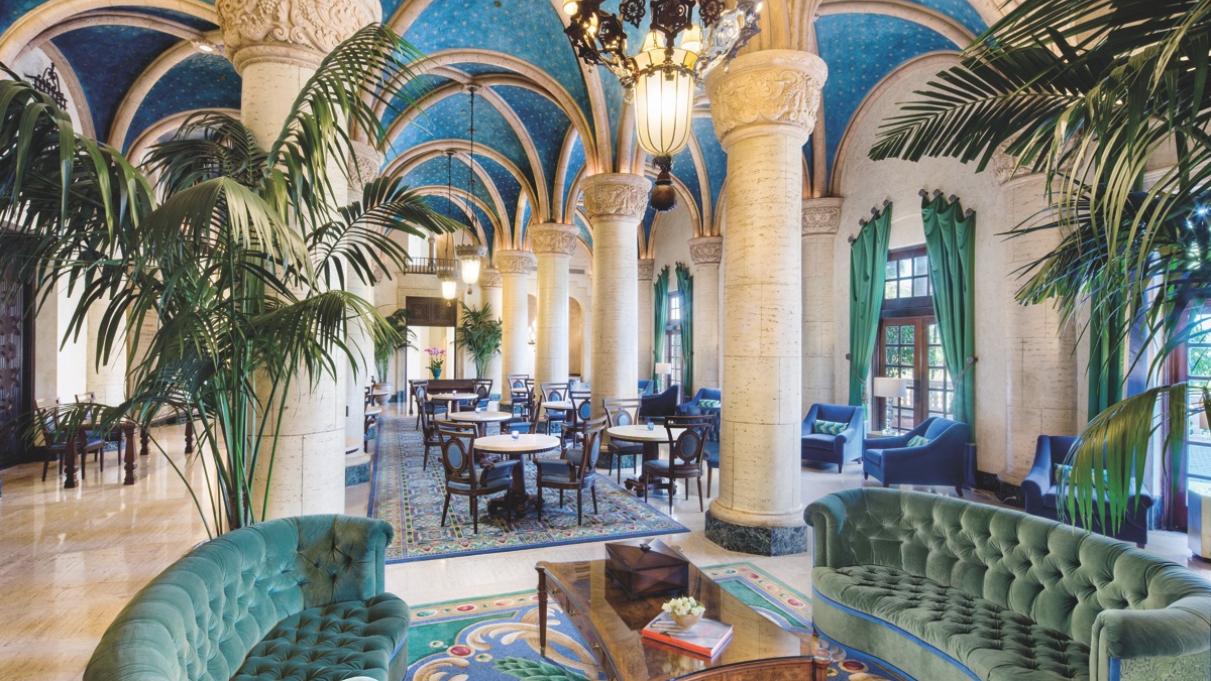
Photo via Luxe Source
Modern luxury homeowners continue to pursue this idea. Homes are increasingly designed around the way people entertain, relax, work, gather, and recharge. Dedicated wellness spaces, outdoor entertaining areas, wine rooms, libraries, media lounges, and guest retreats all reflect this evolution.
The Biltmore demonstrated that true luxury extends beyond aesthetics. It encompasses how a home functions throughout the rhythms of daily life.
It also reinforced another enduring lesson: craftsmanship matters.
The carved woodwork, custom furnishings, intricate plaster details, and architectural artistry throughout the estate remind us that luxury has always been tied to quality. While styles evolve, exceptional craftsmanship remains timeless.
The Gamble House and the Rise of Authentic Craftsmanship
At the turn of the twentieth century, industrialization was rapidly transforming America. Mass production made goods more accessible than ever before, but many designers worried something important was being lost.
The Gamble House in Pasadena became one of the most celebrated responses to this concern.
Designed by architects Charles and Henry Greene, the home embodies the ideals of the Arts and Crafts movement. Every detail reflects a reverence for materials, craftsmanship, and intentional design. Wood joinery became art. Built-in furnishings created cohesion. Handmade details were celebrated rather than concealed.
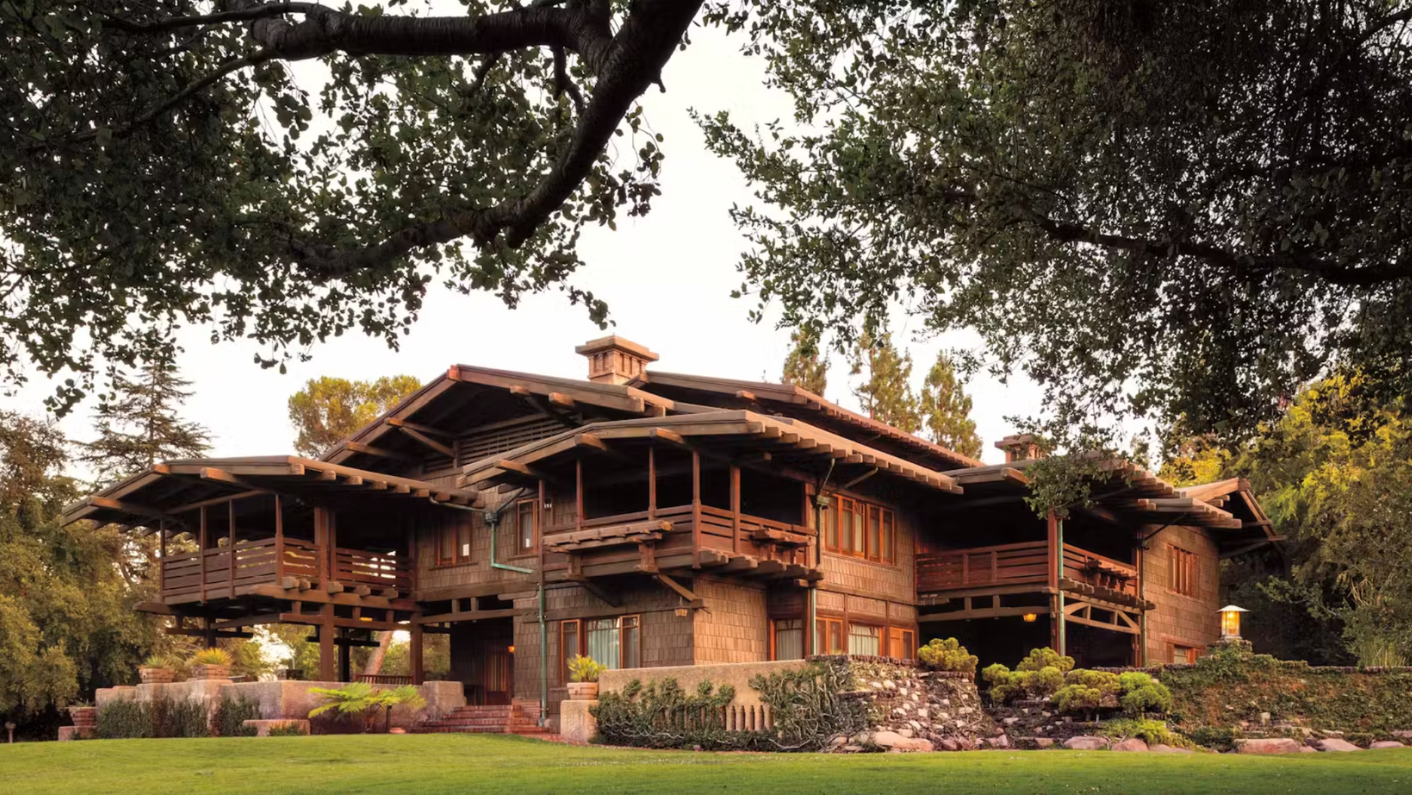
Photo via Dwell
Rather than disguising materials, it highlighted them. Rather than relying on ornament for ornament's sake, it allowed craftsmanship itself to become decorative.
This influence remains deeply relevant in today's luxury market.
Many homeowners are moving away from disposable design and embracing custom millwork, artisan-made furnishings, hand-finished materials, and one-of-a-kind details. They are seeking authenticity in an increasingly digital world.
The desire for craftsmanship that feels personal rather than mass-produced is not a new trend.
It is a continuation of a conversation that began more than a century ago.
Fallingwater: The Home That Changed Everything
Some homes become landmarks.
Others become turning points.
Frank Lloyd Wright's Fallingwater achieved both.
Completed in 1939, Fallingwater fundamentally altered how Americans thought about the relationship between architecture and nature. Rather than building around the waterfall, Wright built directly above it, creating an experience that immersed residents in the landscape.
The house challenged conventional thinking about luxury.
Traditionally, grand homes often sought to dominate their surroundings. Fallingwater did the opposite. It embraced its environment, allowing natural materials, views, sounds, and light to become central elements of the design.
The home's influence can still be seen throughout contemporary luxury architecture.
Open floor plans.
Expansive windows.
Indoor-outdoor living.
Organic materials.
Strong visual connections to nature.
These concepts have become foundational to modern design.
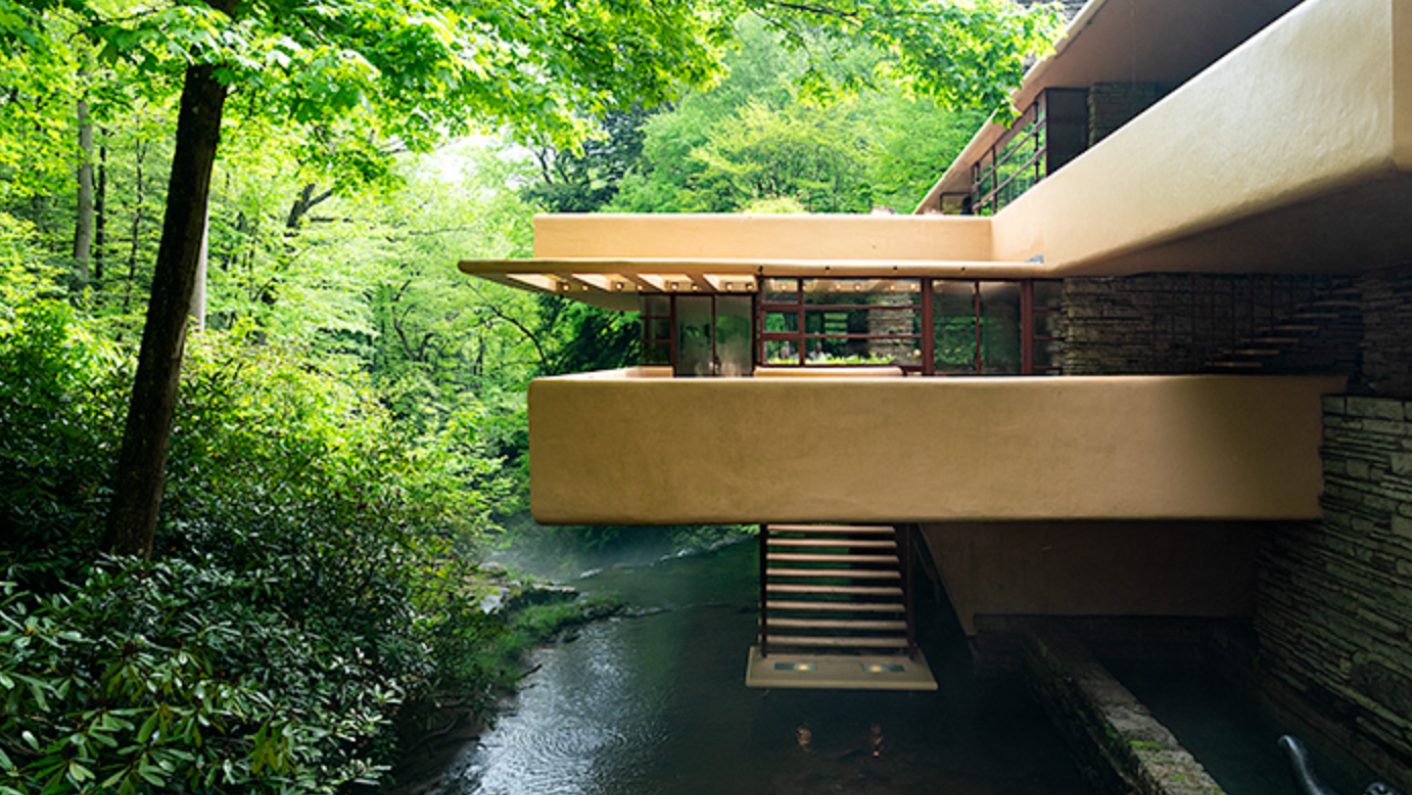
Photo via Unique Travel Photo
Nearly a century later, Fallingwater continues to remind us that some of the most powerful design elements cannot be purchased.
Sunlight.
Fresh air.
Water.
Trees.
Connection.
The Greenbrier: Hospitality, Personality, and Joy
No discussion of influential American interiors would be complete without The Greenbrier.
Under Dorothy Draper's creative direction, the iconic resort became one of the most recognizable interiors in America. Draper rejected restraint in favor of boldness. Color, pattern, scale, and personality became central elements of the experience.
Yet what made The Greenbrier so influential was not simply its visual impact.
It was its emotional impact, how the guests felt welcomed, inspired, and delighted.
The environment created a sense of optimism and energy that extended far beyond aesthetics. This lesson remains powerful today. People remember how a space makes them feel.
Long after specific furnishings are forgotten, the emotional experience endures.
Luxury homeowners increasingly seek interiors that evoke this same response. They want homes that feel warm, welcoming, and deeply personal rather than sterile or performative.
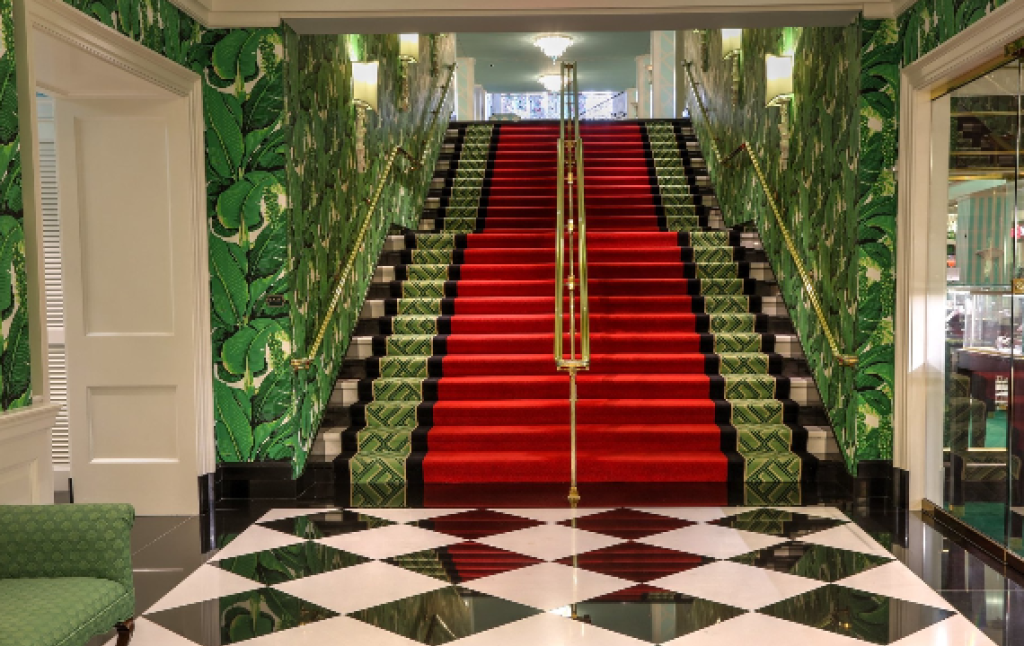
Photo via Greenbrier Valley
The Greenbrier proved that beauty is not merely visual, it is emotional.
The Legacy of Historic American Interiors
Taken together, these homes reveal something profound about American design.
Monticello taught us that beauty and innovation belong together.
The Biltmore demonstrated the importance of hospitality and experience.
The Gamble House celebrated craftsmanship and authenticity.
Fallingwater reconnected architecture with nature.
Winterthur elevated storytelling and curation.
The Greenbrier reminded us that joy has a place in design.
Although their aesthetics differ dramatically, their lessons remain remarkably consistent.
Great design is never solely about appearances.
It is about creating environments that support, enrich, and elevate human life.
That belief continues to shape the best luxury homes being designed today. Whether through wellness-centered planning, artisan craftsmanship, personalized interiors, or thoughtful functionality, these historic spaces continue to influence the way we define Beauty at Home.
And perhaps that is why they endure.
They are not simply beautiful rooms from the past.
They are reminders of what home can become when beauty, purpose, and human experience are given equal importance.
Accessibility, Innovation, and the American Spirit
As we look back across 250 years of American design, a fascinating pattern begins to emerge.
The most influential American homes have rarely been defined by aesthetics alone. While beauty has always been important, some of the nation's greatest design achievements stem from a different question altogether: How can we make life better?
This mindset has quietly shaped everything from architecture and urban planning to product development and interior design. It is a spirit rooted in curiosity, compassion, and problem-solving. Americans have long been willing to challenge conventions, rethink limitations, and search for better ways of living.
In many respects, the story of American design is not simply about creating beautiful homes. It is about creating homes that serve people well.
That distinction may be one of the most significant contributions America has made to the world of design.
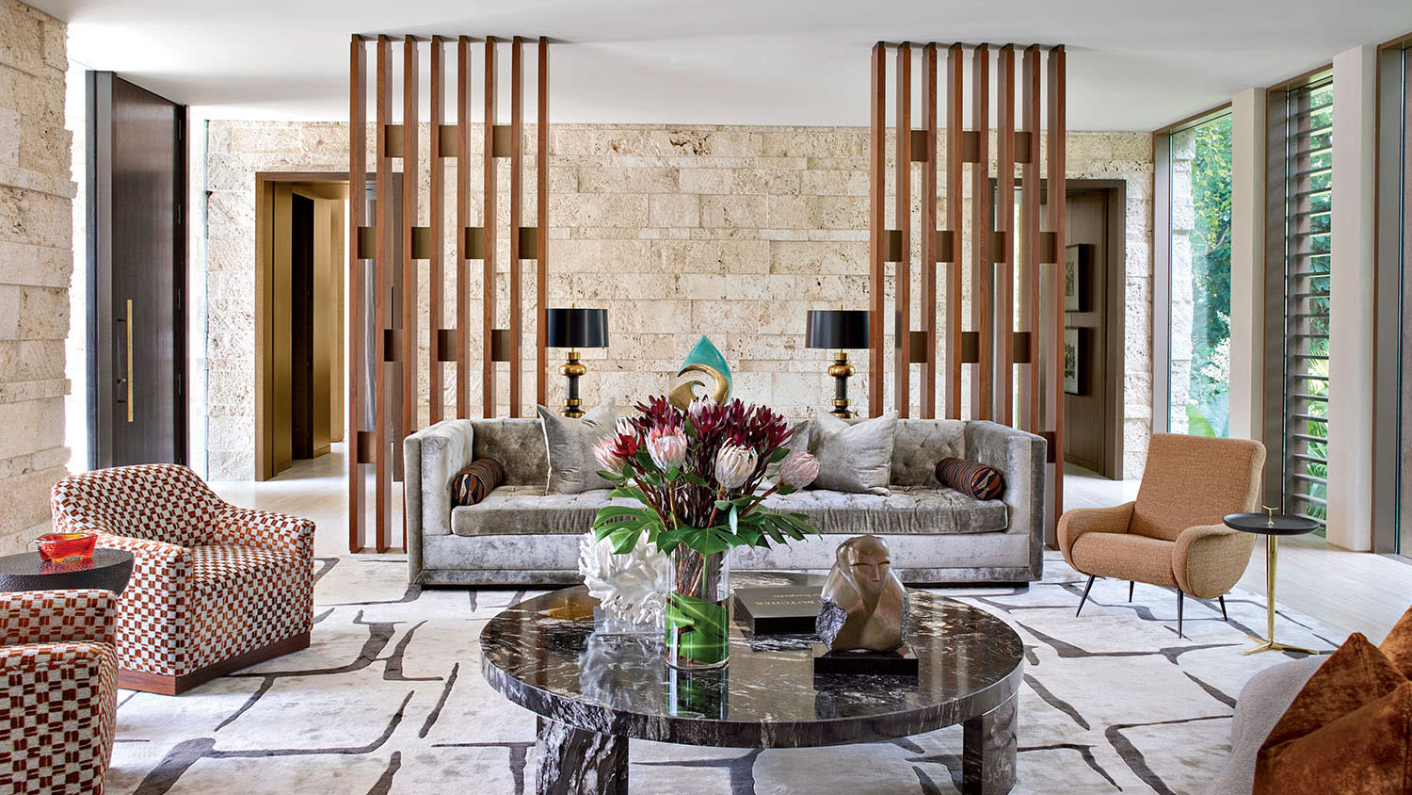
When Function Becomes Beautiful
There is a common misconception that luxury and practicality exist at opposite ends of the design spectrum. One is often associated with beauty, while the other is associated with utility.
The best American design has always rejected that notion.
Some of the most successful homes in history are those where function and beauty become indistinguishable. A gracious floor plan that naturally guides movement. A kitchen designed around how a family actually gathers. A staircase that feels elegant while remaining comfortable and intuitive. A primary suite that supports both restoration and daily routines.
These are not merely functional decisions.
They are design decisions.
When thoughtful planning improves daily life, the result becomes its own form of luxury.
The modern luxury homeowner increasingly understands this. Beautiful materials and furnishings matter deeply, but they are only part of the equation. A home that works effortlessly often provides more lasting satisfaction than one that simply photographs well.
This is where exceptional design begins to transcend decoration.
It becomes a tool for improving quality of life.
The Lasting Influence of Universal Design
One of the most important yet often overlooked chapters in American design history is the rise of accessibility and universal design.
The Americans with Disabilities Act transformed the way architects, builders, manufacturers, and designers think about the built environment. While many people associate accessibility with compliance standards, its broader impact reaches far beyond regulations.
At its core, universal design is built around a simple idea: environments should accommodate people of all abilities, ages, and stages of life.
That philosophy has had an extraordinary influence on residential design.
Features once considered specialized have become highly desirable for luxury homeowners. Curbless showers create seamless visual continuity while improving accessibility. Wider pathways enhance both circulation and comfort. Thoughtfully designed kitchens function more efficiently for everyone. Layered lighting supports changing needs throughout life.
The beauty of universal design is that when executed well, it often goes unnoticed.
The home simply feels intuitive.
Comfortable.
Effortless.
Those qualities happen to align remarkably well with luxury.
For many affluent homeowners today, aging in place has become an important consideration. They are designing homes not only for who they are now, but for who they may become in the decades ahead.
Rather than viewing accessibility as a limitation, they increasingly see it as intelligent planning.
A well-designed home anticipates needs before they arise.
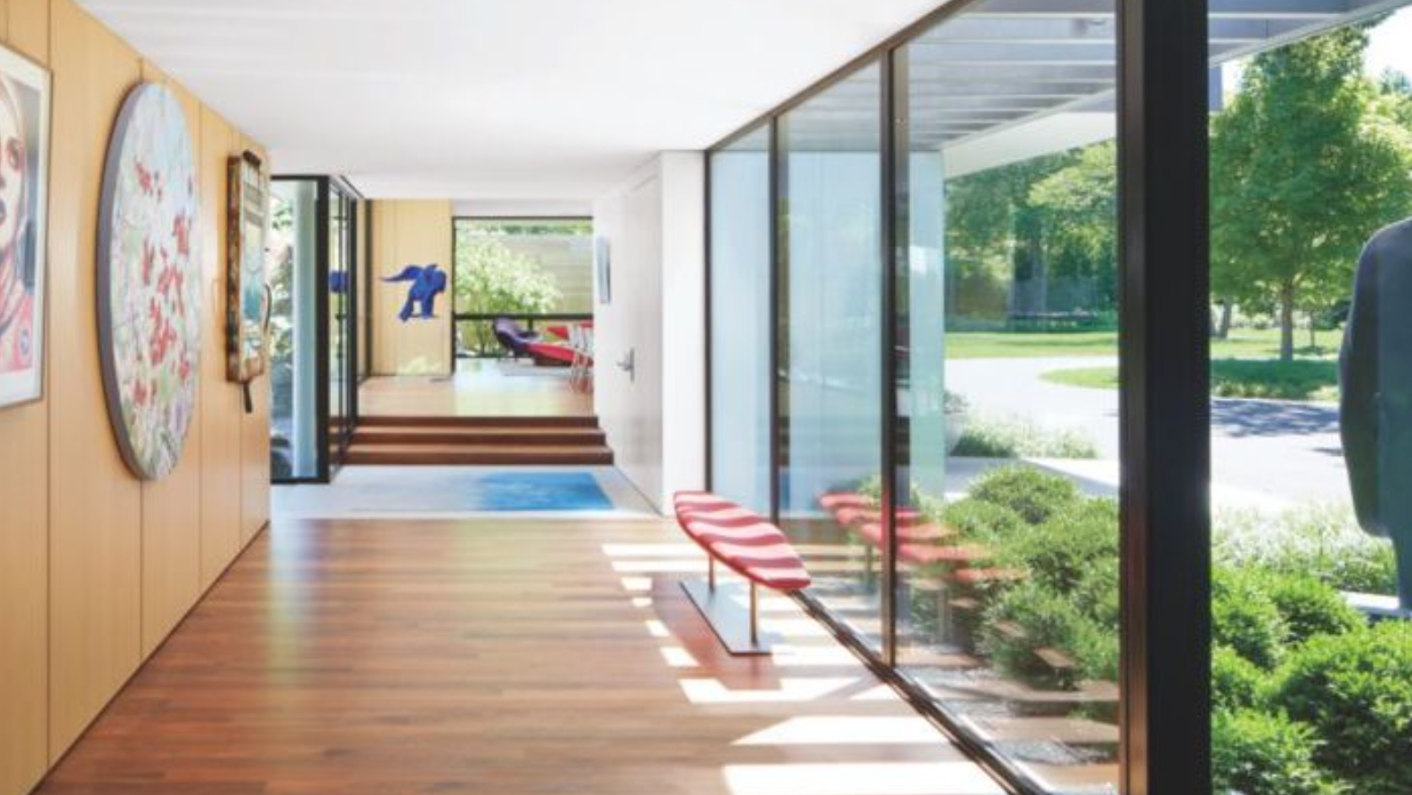
Photo via Luxe Source
Designing for Real Life
One of the qualities I admire most about American design is its willingness to focus on real life.
Historically, many great European estates were designed around formality and hierarchy. Rooms often served highly specific purposes. Movement through the home was structured and ceremonial.
American homes evolved differently.
They became increasingly centered around family life, flexibility, and daily experience.
The rise of the great room, open-concept kitchens, casual dining spaces, mudrooms, home offices, and multi-functional living areas all reflect this shift.
American homeowners consistently asked practical questions:
How do we gather?
How do we entertain?
How do we work?
How do we raise children?
How do we care for aging parents?
How do we create homes that support every aspect of life?
These questions continue to shape luxury design today.
The most successful projects begin not with finishes or furnishings, but with people.
Understanding how clients live often reveals opportunities they never knew existed.
Sometimes the most transformative design decision has nothing to do with aesthetics. It may be improving circulation, reimagining storage, introducing natural light, or creating stronger connections between spaces.
Design becomes powerful when it solves problems clients have simply learned to live with.
Innovation as a Design Tradition
Innovation has always been part of the American story.
From early mechanical inventions to modern smart-home systems, Americans have consistently sought ways to improve everyday experiences through thoughtful innovation.
The luxury home of today reflects that legacy.
Technology now supports nearly every aspect of residential living. Lighting systems adjust automatically throughout the day. Motorized shades respond to changing sunlight. Climate systems improve comfort while increasing energy efficiency. Security, entertainment, wellness, and convenience are increasingly integrated into a single seamless experience.
Yet the most successful technology often disappears.
The goal is not to create homes filled with gadgets.
The goal is to create homes that feel effortless.
A homeowner should notice the comfort, not the mechanism.
The atmosphere, not the equipment.
The experience, not the technology.
When innovation is thoughtfully integrated, it becomes invisible. It supports life quietly in the background while allowing beauty to remain at the forefront.
This balance between innovation and elegance continues one of America's oldest design traditions.
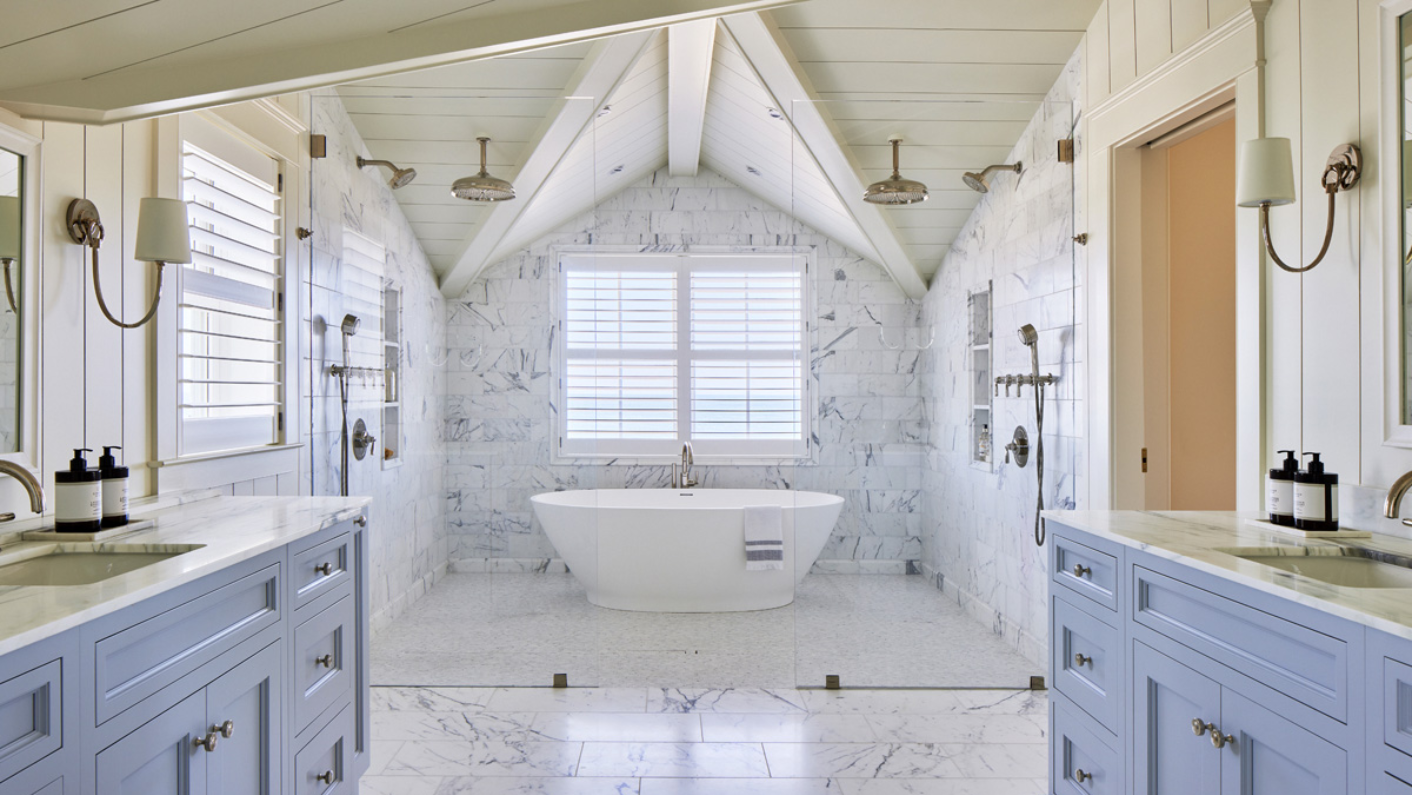
Photo via Kitchen Bath Design
Resilience and Adaptation
Another uniquely American aspect of residential design is resilience.
Our country's diverse geography has required extraordinary adaptability. Homes must respond to hurricanes along the Gulf Coast, heavy snow in the Northeast, seismic activity in the West, intense heat in the Southwest, and countless other environmental challenges.
These realities have inspired remarkable advances in building science, engineering, and materials.
Today's luxury homes increasingly balance beauty with durability. Impact-resistant glass, advanced insulation systems, sustainable building materials, energy-efficient technologies, and weather-responsive construction techniques are becoming standard components of thoughtful design.
For coastal communities like Naples, resilience is not merely practical.
It is essential.
The challenge is creating homes that feel graceful and welcoming while remaining capable of withstanding environmental demands.
The most successful projects achieve both.
They demonstrate that strength and beauty are not mutually exclusive.
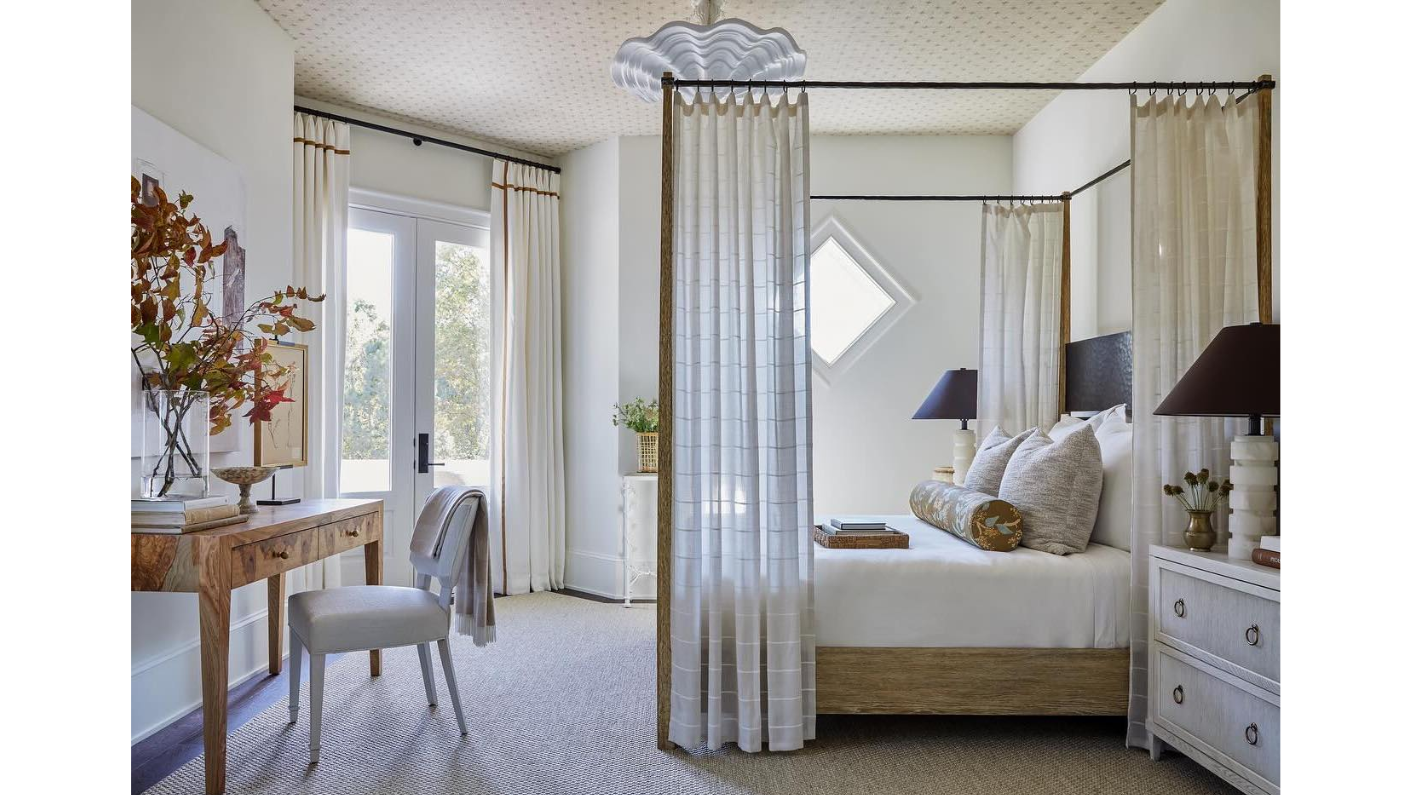
Photo via Robert James Collection
The American Spirit of Possibility
When viewed through the lens of design, perhaps the defining characteristic of America is possibility.
For 250 years, Americans have continually imagined better ways of living. They have challenged assumptions, improved systems, and embraced innovation while preserving what matters most.
This spirit extends beyond technology or architecture.
It reflects a belief that homes can evolve alongside the people who live within them.
That they can become more comfortable.
More beautiful.
More sustainable.
More supportive.
More meaningful.
The pursuit of improvement is woven into the fabric of American design.
And that pursuit continues today as homeowners seek environments that nurture wellness, encourage connection, and support increasingly complex lives.
The future of luxury is not simply about acquiring more.
It is about living better.
And that conversation leads naturally to one of the most important design movements of our time: the growing intersection of wellness, sustainability, and home.
How American History Continues to Shape Modern Luxury
When we look across 250 years of American design, it becomes clear that the story is not really about architecture, furnishings, or even aesthetics alone.
It is a story about values.
The homes that have endured, inspired, and influenced generations were never successful simply because they were beautiful. They succeeded because they reflected something larger about the people who created them and the lives they were designed to support.
Thomas Jefferson taught us that beauty and innovation belong together. Frank Lloyd Wright demonstrated that architecture can deepen our relationship with nature. Dorothy Draper reminded us that joy, personality, and hospitality deserve a place in every home. Historic estates like Monticello, Biltmore, Fallingwater, and The Greenbrier each contributed something meaningful to the American understanding of home.
Their influence extends far beyond the walls of those landmark properties.
The ideas they championed continue to shape the way luxury homes are designed today.
When homeowners seek stronger connections between indoor and outdoor living, they are embracing principles that Wright championed nearly a century ago. When they prioritize craftsmanship, custom millwork, artisan-made furnishings, and heirloom-quality materials, they are participating in a tradition that stretches back through the Arts and Crafts movement and the great estates of America's Gilded Age. When they desire homes that feel deeply personal rather than trend-driven, they echo Dorothy Draper's belief that interiors should reflect the people who live within them rather than simply follow fashion.
Even many of the brands and manufacturers that define modern American luxury continue to reflect these enduring values.
American made companies with over 100 years of rich history such as Kravet, Hickory White, Brunschwig & Fils, Hickory Chair, F. Schumacher & Co., and Hinkley Lighting have built reputations around craftsmanship, customization, and enduring quality. Their work reflects the country’s belief that furnishings should be made to last, becoming part of a family's story rather than a temporary trend.
Textile houses and artisans continue to celebrate the richness of American creativity through hand-finished details, tailored upholstery, woven textures, and custom fabrication. Lighting manufacturers blend technological innovation with timeless design. Architectural millwork companies continue to push craftsmanship forward while honoring traditional techniques. Across the industry, we see countless examples of American ingenuity paired with artistic expression.
Yet perhaps the greatest luxury emerging today is not a particular brand, material, or product.
It is personalization.
After years of algorithm-driven sameness, luxury homeowners are increasingly seeking spaces that feel impossible to replicate. They want homes that reflect their lives, their collections, their travels, their traditions, and their aspirations. They want spaces that tell stories rather than simply follow trends.
In many ways, this desire represents the natural evolution of everything American design has always valued.
Individuality.
Innovation.
Beauty.
Function.
Possibility.
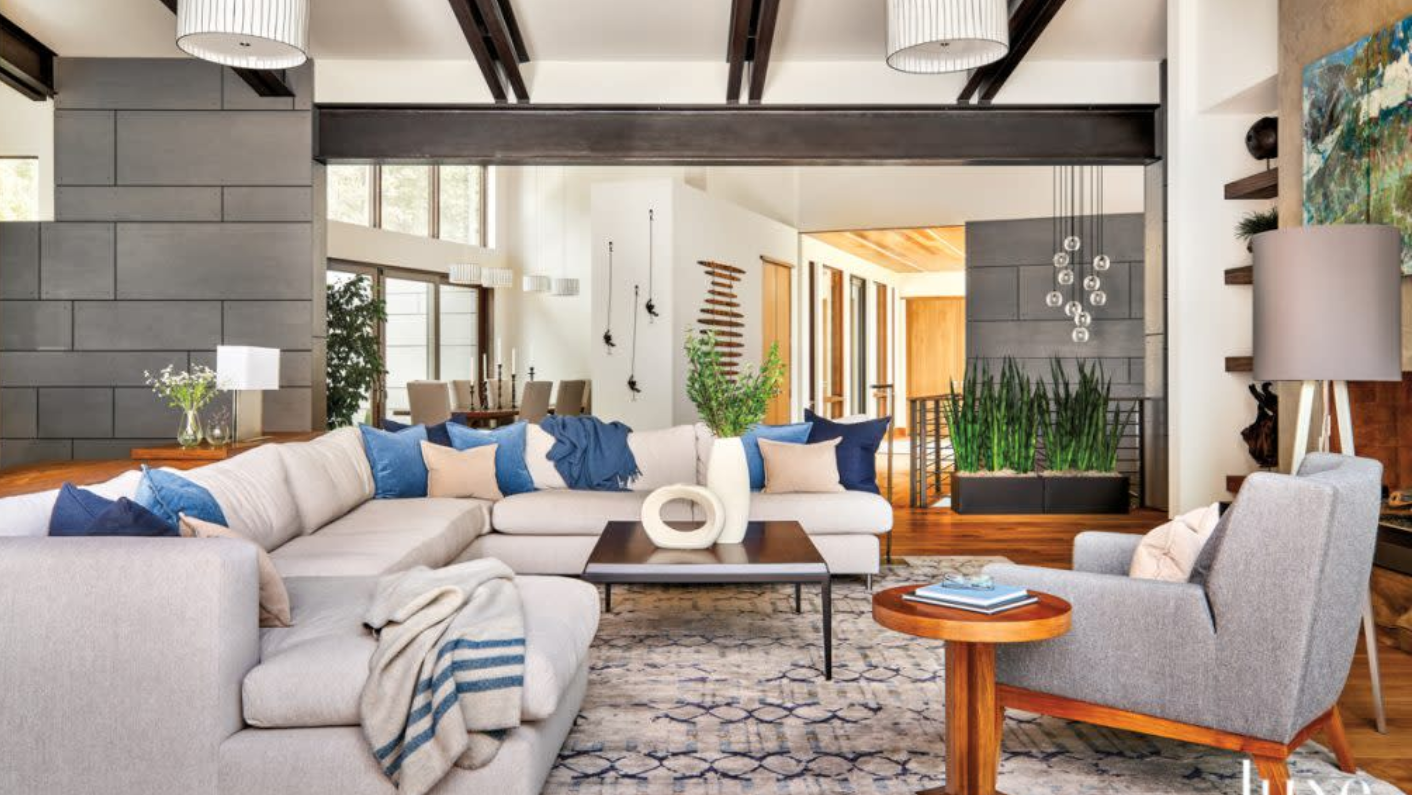
Photo via Luxe Source
Beauty at Home: The Legacy Continues
As we celebrate America's 250th anniversary, it is worth remembering that the most important design lessons are often the simplest.
A beautiful home is not necessarily the largest home.
It is not the most expensive home.
It is not the home with the most furnishings, the most square footage, or the most dramatic architecture.
A beautiful home is one that supports the people who live within it.
It welcomes them at the end of a long day. It encourages connection. It provides comfort during difficult seasons and serves as the backdrop for life's most meaningful moments. It evolves alongside its owners, adapting to changing needs while remaining rooted in what matters most.
That understanding has shaped American homes for generations.
It continues to shape them today.
At Jett & Company, we believe that true luxury is found at the intersection of beauty and function, inspiration and practicality, artistry and livability. Every project begins not with furnishings or finishes, but with listening. We seek to understand how our clients want to live, how they want to feel, and what Beauty at Home means to them personally.
Because no two families are the same.
No two stories are the same.
And no two homes should be either.
The styles may evolve. The technology will certainly continue to advance. New materials, innovations, and design movements will emerge. Yet the fundamental goal remains unchanged from the earliest days of American design.
To create homes that enrich daily life.
To create spaces that inspire.
To create environments where beauty serves people well.
That is the enduring legacy of American design.
And that is a future worth celebrating.
Ready to Create Your Own Beauty at Home?
Whether you are planning a new build, embarking on a large-scale renovation, or seeking a thoughtfully curated refresh, exceptional design begins with understanding your vision and translating it into a home that feels distinctly yours.
If you are ready to create a home that balances beauty, function, craftsmanship, innovation, and personal meaning, I would be honored to help guide that journey.
Book a personal consultation with Jett & Company and let's create Beauty at Home that is uniquely yours.
5 Stress Free Steps to Bring Your Dream Home to Life
Inside this free guide, you will receive:
- Everything you need to get it right the first time, with confidence
- Start today! Practical steps to make your dream home a reality
We hate SPAM. We will never sell your information, for any reason.
Author