Is Your Home Serving You? Designing for Mental Restoration
Mar 01, 2026
March is a month of reckoning. The light shifts. The days stretch longer. And quietly, without ceremony, many people begin to notice a tension they’ve been carrying all winter. Their home looks fine. It’s styled. It’s furnished. And yet, something feels off. The space doesn’t restore them. It doesn’t calm their mind. It doesn’t support the way they want to live.
This is often the moment clients call and ask a question that reflects both discernment and desire for alignment: Is my home actually serving me?
In luxury interior design, mental restoration has become the most sought-after feature. More than square footage. More than finishes. More than trends. Peace is now the ultimate marker of a well-designed home. And achieving it requires more than swapping pillows, repainting a wall, or following inspiration online.
This guide explores how thoughtful interior design supports mental clarity, emotional ease, and daily renewal. It also addresses a truth many homeowners face but rarely say out loud: somewhere between inspiration and execution, things begin to unravel.
When a Beautiful Home Still Feels Not Quite Right
One of the most common frustrations I hear is this: I’ve invested time and money, but it still doesn’t feel right. The furniture is new. The colors are on trend. The rooms are styled. And yet, the home feels noisy, draining, or oddly unfinished.
This disconnect often stems from a lack of cohesion and intention. Design choices made in isolation rarely support mental well-being. A sofa chosen because it looked good online may disrupt flow. A paint color selected under artificial light may feel oppressive in the afternoon. A layout that ignores how you actually move through the space may quietly exhaust you day after day.
Mental fatigue doesn’t always come from chaos. Sometimes it comes from subtle friction. Visual clutter. Poor lighting. Awkward circulation. A palette that stimulates when it should soothe. These issues accumulate quietly until living at home begins to feel like effort instead of restoration.
This is why interior design in 2026 is no longer about aesthetics alone. It is about emotional intelligence. A home should support the way you think, rest, focus, and recharge.
How Your Home Affects Your Mind - Color Psychology
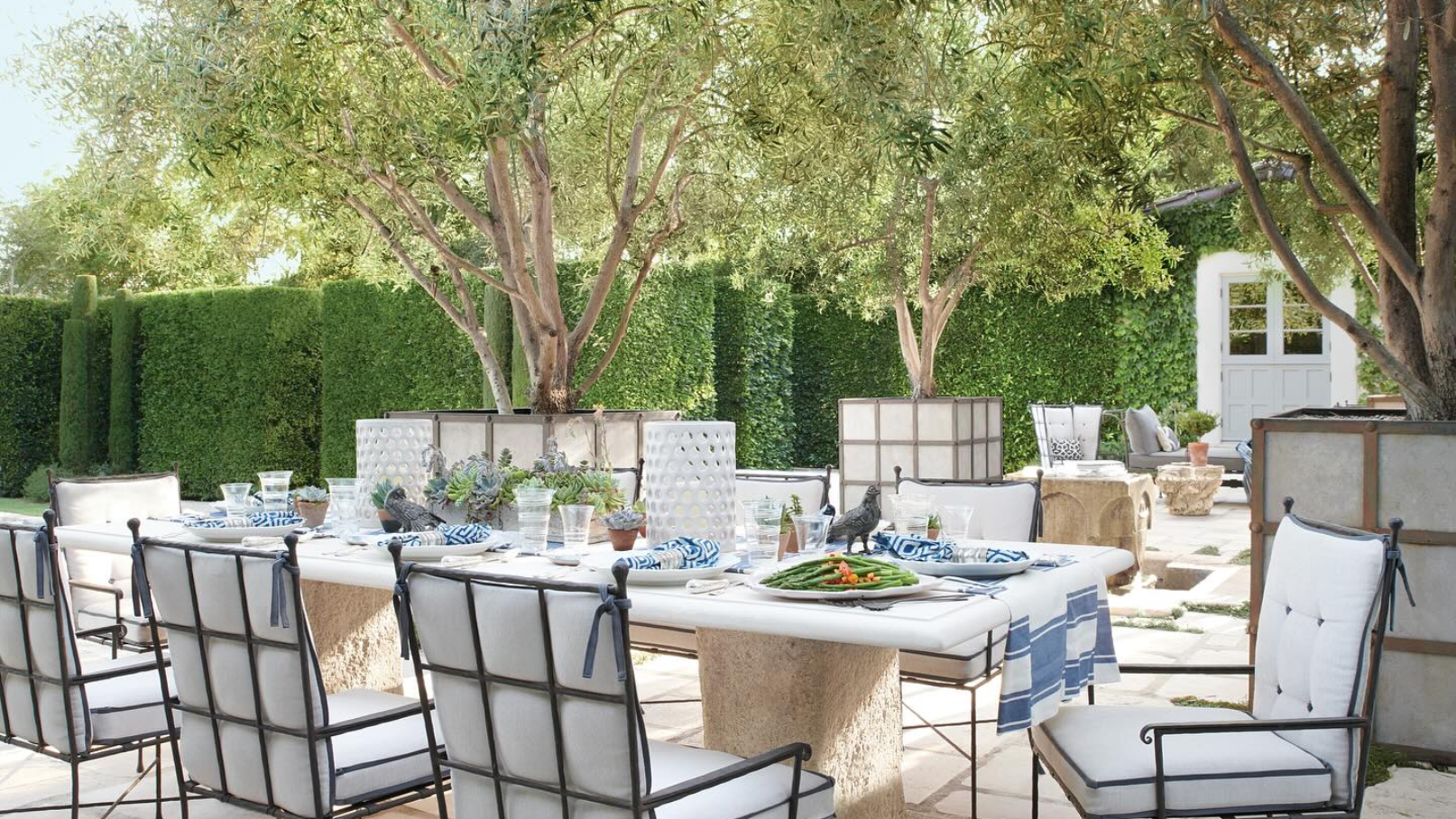
Color is one of the most powerful psychological tools in interior design. It shapes mood, perception, and even physical responses. Yet it’s often treated as a surface-level decision rather than a foundational one.
Many homeowners unintentionally overstimulate themselves with high-contrast palettes, overly bright whites, or colors that fight natural light. A room may photograph beautifully but feel harsh or restless in daily life. Mental restoration requires color choices that respond to both light and lifestyle.
Designing for renewal often means:
- Soft, mineral-based neutrals that shift gently throughout the day
- Warm undertones that ground rather than energize
- Layered hues instead of stark contrasts
- Muted saturation that supports calm focus
Color should cradle the nervous system, not demand attention. A well-designed palette allows the eye to rest. It creates continuity between rooms. It supports clarity instead of distraction.
This is where working with a designer becomes invaluable. Color is never chosen in isolation. It is evaluated alongside architecture, orientation, natural light, and how each space is used. The right palette feels inevitable once it’s in place.
The Silent Stressor - Layout and Flow
Few people realize how deeply layout affects mental well-being. A home with poor flow creates constant micro-decisions. Where do I sit? How do I move through this space? Why does this feel awkward? These questions register subconsciously, but they drain energy over time.
Designing for mental restoration means honoring how people actually live. Not how a room was staged, but how it functions at seven in the morning and nine at night. Flow should feel intuitive. Movement should be unobstructed. Spaces should invite rather than repel.
Some common layout issues that undermine peace include:
- Furniture blocking natural pathways
- Oversized pieces in rooms that need air
- Seating that discourages conversation
- Rooms without a clear purpose
A designer sees these issues immediately. More importantly, they know how to correct them without starting over. Often, peace is restored not by adding more, but by editing, repositioning, and refining what’s already there.
Mental clarity thrives in environments where movement feels effortless. Where rooms guide you gently instead of demanding negotiation.
Why Swapping Pillows Isn’t Enough
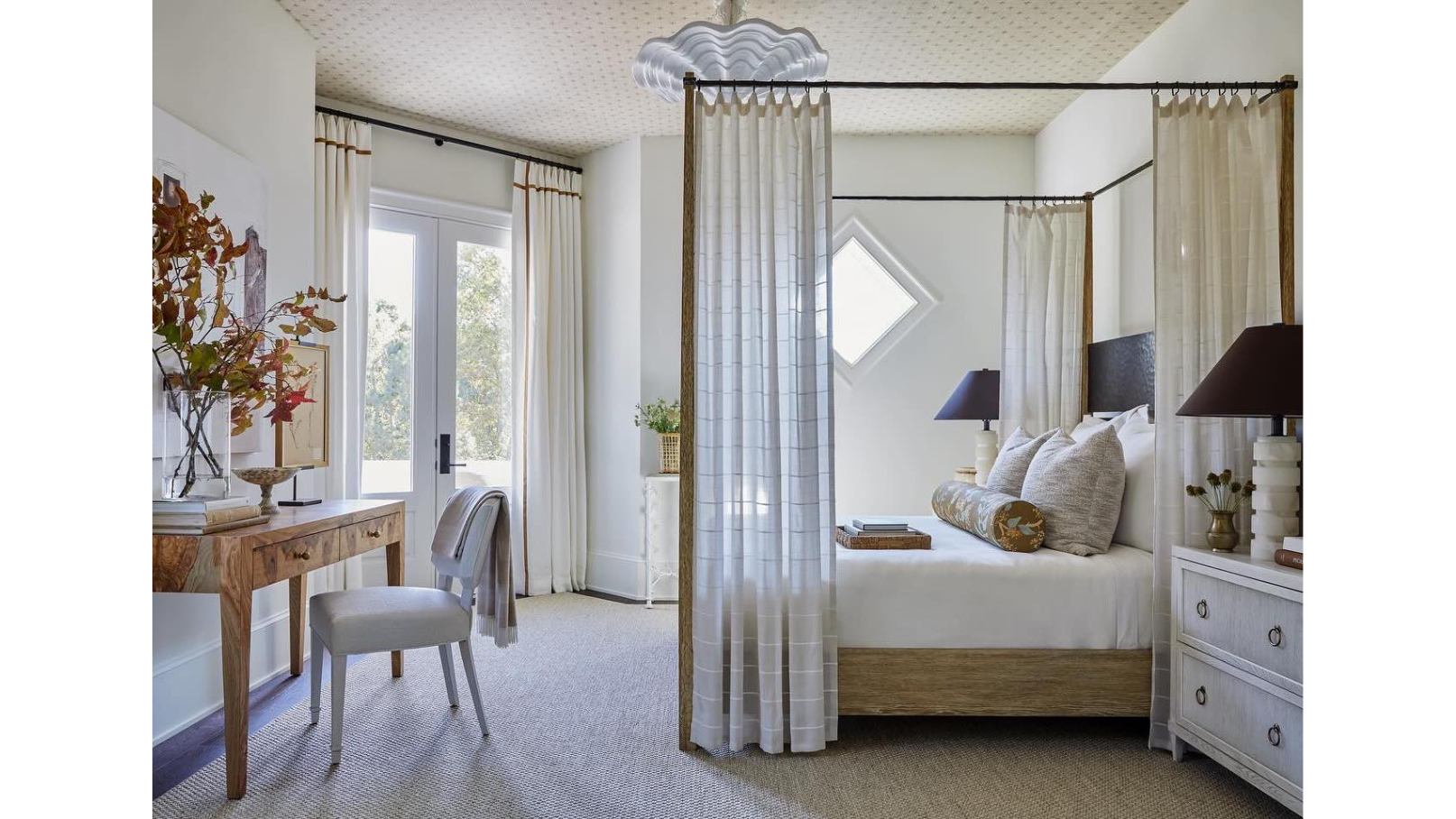
There is a point many homeowners reach where small changes stop working. New pillows. New drapes. A different rug. These updates offer temporary relief but rarely address the underlying problem. The home still feels unresolved.
This is the moment when frustration peaks. You’ve spent money. You’ve invested time. And still, the space doesn’t reflect the life you want to live.
This is not a failure of taste. It’s a failure of strategy. Interior design is not a collection of parts. It is a system. Without a holistic vision, even beautiful pieces can feel disconnected.
Designing for renewal requires stepping back and asking larger questions:
- What do I want this home to feel like?
- Where do I need calm versus energy?
- How do light, color, and layout interact here?
- What is no longer serving me?
A designer holds that big picture while executing the details. They prevent wasted money by ensuring each decision builds toward a cohesive outcome.
Somewhere Between Inspiration and Execution
Many clients come to Jett & Company after months, sometimes years, of trying to “fix” their home on their own. They had vision. They saved inspiration. But somewhere between inspiration and execution, things fell apart.
This is one of the most expensive places to be. Half-finished rooms. Purchases that don’t work together. Decisions made without seeing the full scope. The result is a home that feels like a collection of attempts rather than a sanctuary.
Designers exist to bridge that gap. We translate vision into reality. We anticipate problems before they arise. We ensure decisions align with long-term goals, not short-term trends.
And sometimes, the greatest luxury is not doing it yourself at all.
The Power of Turnkey Design
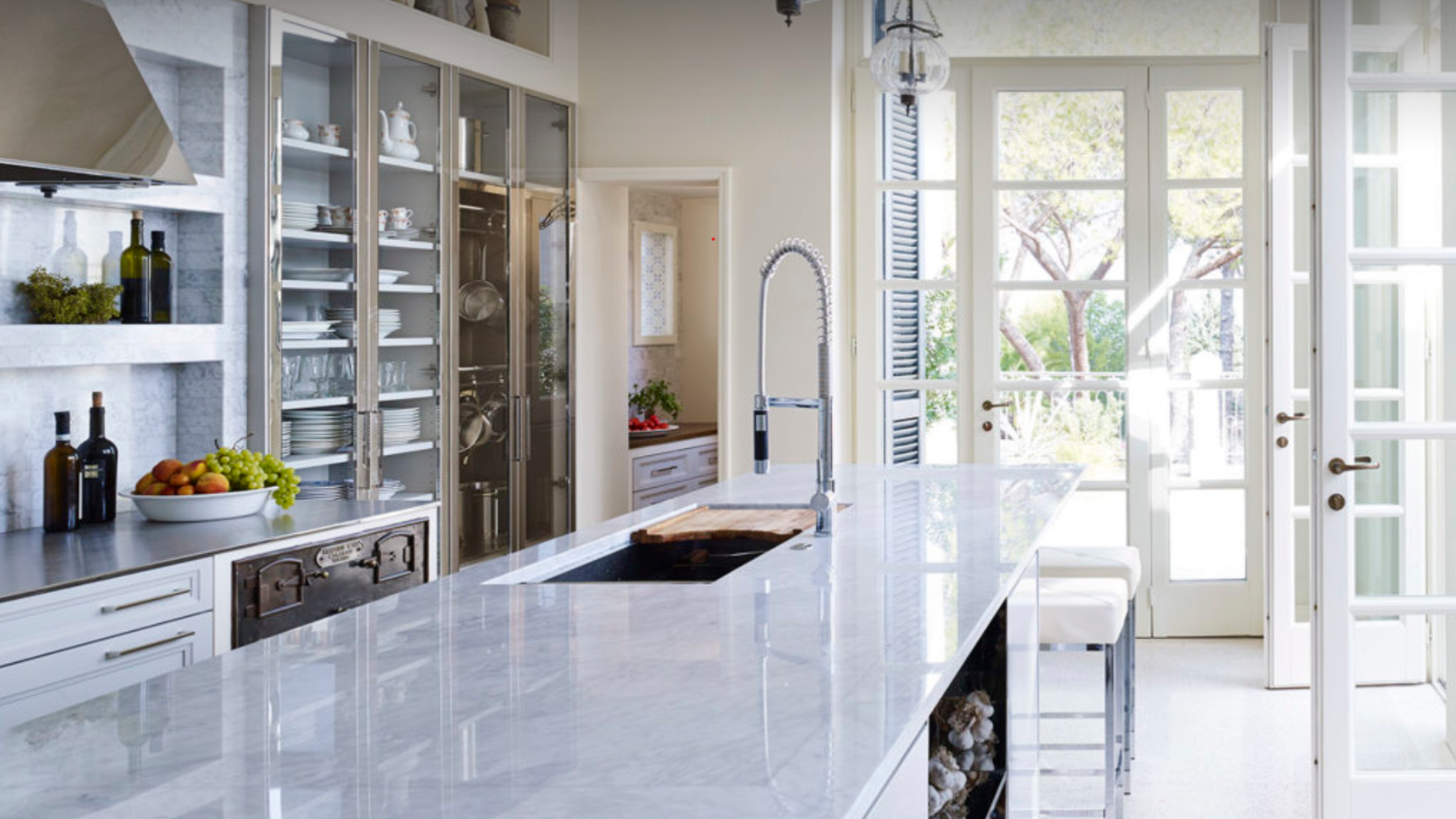
One of the most transformative experiences we offer clients is the ability to step away and return to a completely resolved home. While you travel or focus elsewhere, the work happens quietly, intentionally, expertly.
This approach eliminates decision fatigue. It removes the emotional weight of managing vendors, timelines, and revisions. And it ensures the result feels cohesive, elevated, and deeply personal.
Imagine leaving your home as it is and returning to a space that finally feels right. The colors calm you. The layout supports you. The rooms feel complete. This is not indulgence. This is restoration.
Mental renewal often begins when you stop trying to manage everything yourself.
Designing Peace as the Ultimate Luxury
In 2026, luxury is no longer loud. It is not performative. It does not shout. True luxury is peace. It is a home that supports your nervous system, honors your time, and allows you to exhale the moment you walk through the door.
Designing for mental restoration means creating spaces that work with you rather than against you. It means understanding that beauty without function is exhausting. And function without beauty is uninspiring. The two must coexist.
A well-designed home does not ask you to adapt to it. It adapts to you.
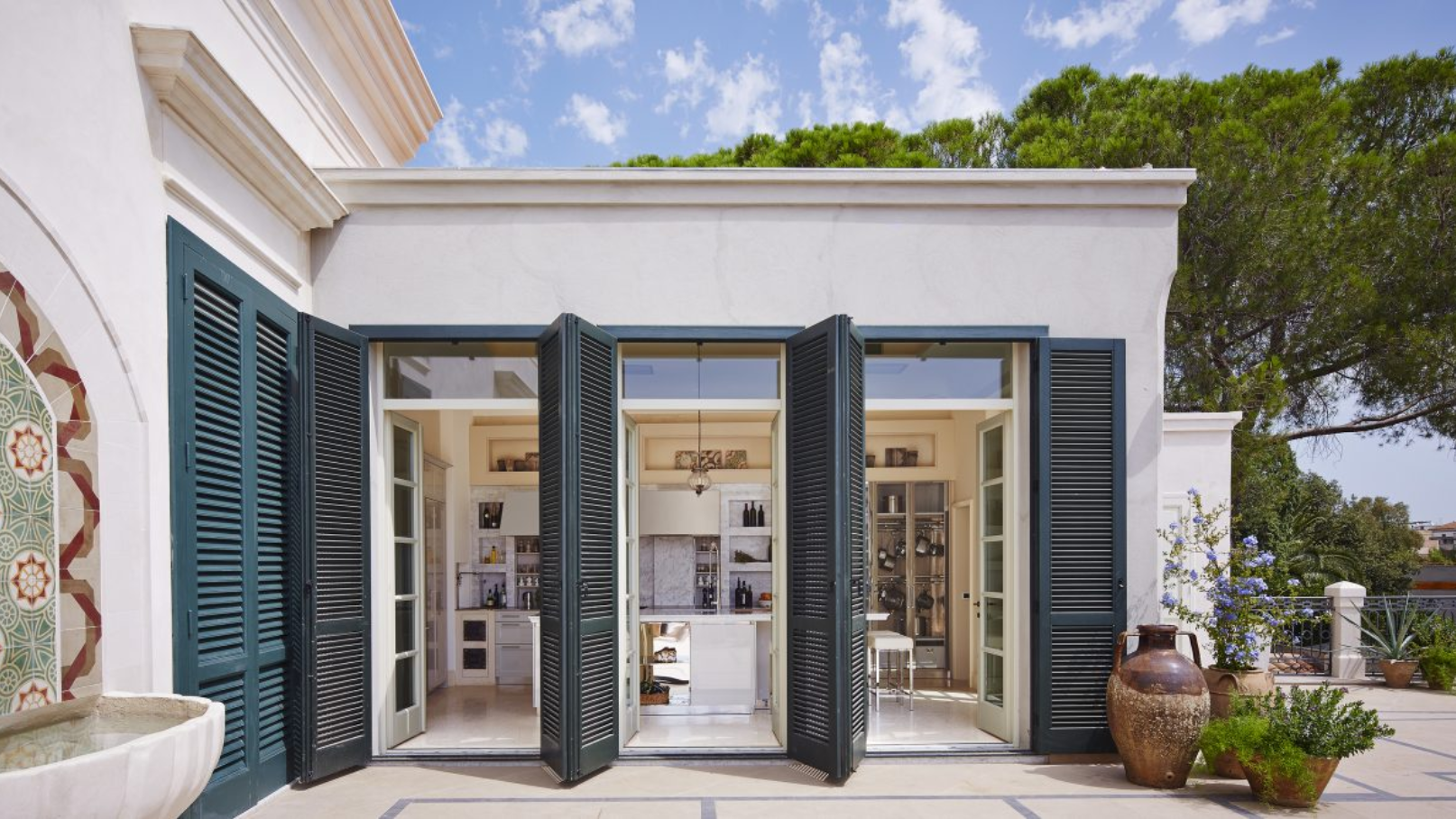
So, the question is - “Is Your Home Serving You?”
This is the question March invites us to ask. Not critically. Honestly. Does your home support who you are now? Does it restore you after long days? Does it reflect the life you’re building? Or does it quietly drain you?
If you’ve reached the point where effort no longer yields peace, it may be time to stop adjusting and start reimagining. With the right designer, renewal does not require upheaval. It requires clarity, expertise, and trust.
If you’re ready to come home to a space that feels resolved, calm, and deeply supportive, I’d love to help you begin that transformation.
We create Beauty at Home like a harmonious symphony - Every aspect flows together in chorus, supporting every note in an orchestra of peace.
Book a personal consultation with Jett & Company and let us design a home that truly serves you.
5 Stress Free Steps to Bring Your Dream Home to Life
Inside this free guide, you will receive:
- Everything you need to get it right the first time, with confidence
- Start today! Practical steps to make your dream home a reality
We hate SPAM. We will never sell your information, for any reason.
Author